Pregnancy can be an exciting time, but it can also bring plenty of questions, especially if you are becoming a mother for the first time. You may wonder whether a particular symptom is normal, what foods you should eat, how much you should exercise, or when you need to see your doctor. Every pregnancy is different, so there is no single routine that works for everyone. However, understanding the basic changes that happen during each trimester can help you feel more prepared and confident throughout your pregnancy.
This guide covers practical pregnancy tips for first time moms, including pregnancy symptoms, pregnancy care, nutrition, exercise, prenatal check-ups, and baby development during pregnancy. For more information on women’s health and pregnancy care, visit Hercyclopedia.
Understanding the Three Trimesters of Pregnancy
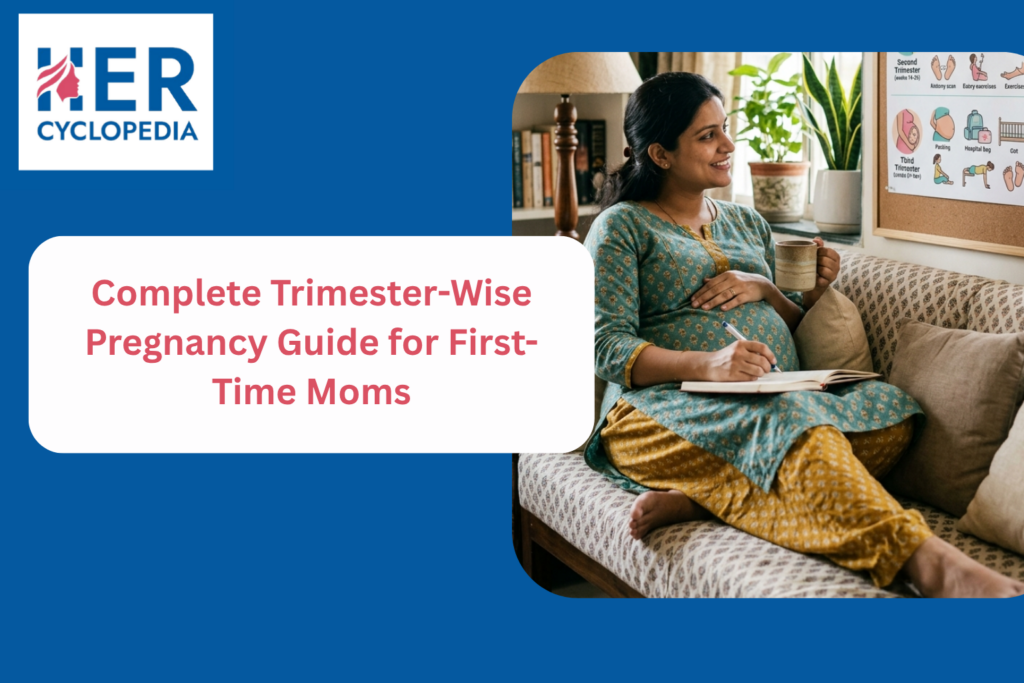
Pregnancy is generally divided into three trimesters and lasts around 40 weeks. Each trimester brings its own physical changes and milestones as your baby grows.
Knowing what to expect during each stage can make it easier to prepare for changes in your body and follow the right pregnancy care routine.
First Trimester Pregnancy: Week 1–12
The first trimester is when many major changes begin. Your body experiences significant hormonal changes, while your baby’s early organs and body systems start developing.
Common Pregnancy Symptoms
Early pregnancy can feel different for every woman. Some women notice symptoms almost immediately, while others may have very few symptoms.
Common pregnancy symptoms include morning sickness, nausea, tiredness, breast tenderness, frequent urination, mood changes, bloating, food cravings, and food aversions.
Symptoms can also change from week to week. If something feels unusual or concerning, it is better to speak with your healthcare provider instead of trying to diagnose the problem yourself.
Baby’s Development
During the first trimester, your baby’s heart and circulatory system begin developing. The brain and spinal cord start forming, while the arms, legs, and major organs begin to develop.
Because so much development happens during these early weeks, starting prenatal care early is important.
First Trimester Pregnancy Care Tips
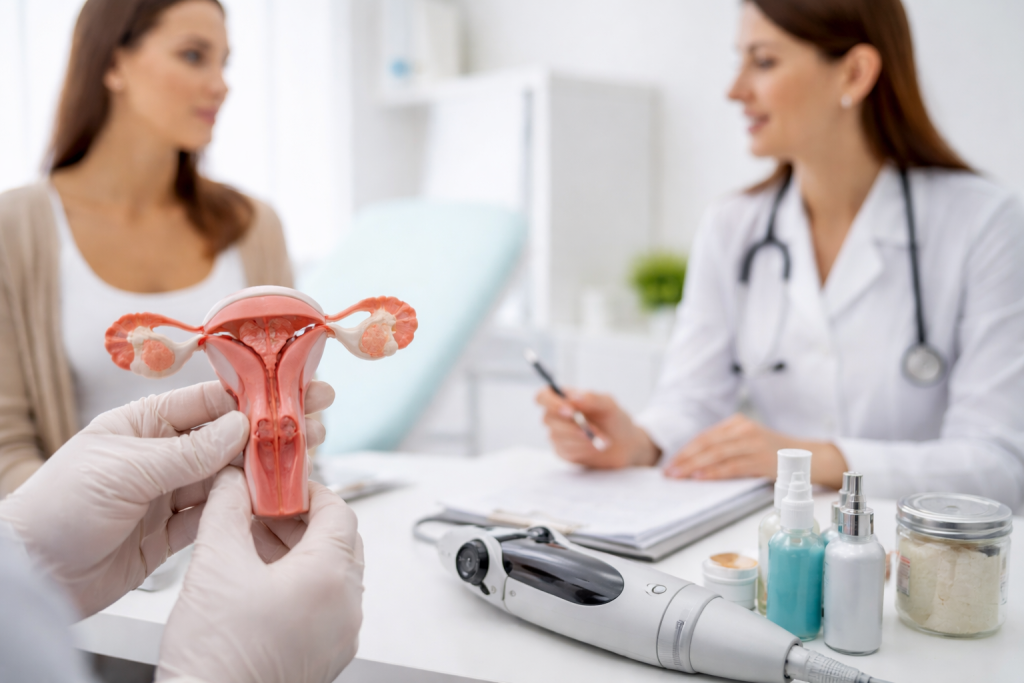
Once you know you are pregnant, schedule an appointment with your healthcare provider. The Obstetrics Department can guide you about prenatal vitamins, including folic acid, diet, medications, exercise, and the tests you may need.
Try to eat regular, nutritious meals, drink enough water, and get plenty of rest. Avoid alcohol, smoking, and recreational drugs, and do not take medicines or supplements without checking with your healthcare provider.
Second Trimester Pregnancy: Week 13–27
The second trimester pregnancy period covers weeks 13 to 27. For many women, some early pregnancy symptoms become less noticeable during this stage. However, pregnancy continues to bring physical changes as the baby grows.
Changes You May Notice
You may notice your baby bump becoming more visible, your appetite changing, or your morning sickness improving. Many women begin feeling their baby’s movements during this trimester.
Back discomfort, leg cramps, and mild swelling can also occur. If you are unsure whether a symptom is part of normal pregnancy changes, discuss it with your healthcare provider.
Baby’s Development
Your baby’s bones continue to develop, hearing begins to develop, facial features become more defined, and movements become easier to notice.
Your baby also continues to grow and gain weight as the second trimester progresses.
Second Trimester Pregnancy Care Tips
Continue attending your scheduled prenatal appointments and focus on a balanced pregnancy diet. Your meals should provide important nutrients such as protein, iron, calcium, and folic acid.
If your healthcare provider says exercise is safe for you, activities such as walking, gentle stretching, or suitable prenatal exercises can help you stay active. Comfortable clothing and supportive footwear can also make everyday activities easier.
Third Trimester Pregnancy: Week 28–40
The third trimester pregnancy period is when your body begins preparing more noticeably for childbirth. Your baby continues to grow, gain weight, and mature in preparation for birth.
Common Pregnancy Symptoms
As your baby grows, you may experience backache, shortness of breath, swollen feet or ankles, difficulty sleeping, frequent urination, Braxton Hicks contractions, or increased pelvic pressure.
These changes can make the final weeks uncomfortable, but regular prenatal care helps your healthcare provider monitor your health and your baby’s development.
Baby’s Development
During the third trimester, your baby’s lungs continue to mature, the brain develops rapidly, and the baby gains body fat. Your baby may also move into a head-down position before delivery.
The timing of these changes varies from pregnancy to pregnancy, so your healthcare provider will monitor your baby’s growth and position.
Third Trimester Pregnancy Care Tips
Keep up with your pregnancy check-ups and talk to your healthcare provider about labour, delivery, and what to expect when you go into labour.
It can also help to prepare your hospital bag, arrange transportation, and discuss your birth preferences with your healthcare team. Follow professional advice about exercise, medicines, and other activities during the final weeks.
Pregnancy Diet and Nutrition
Food plays an important role in supporting your health and your baby’s development. A healthy pregnancy diet should provide a good balance of protein, iron, folic acid, calcium, fruits, vegetables, whole grains, and other essential nutrients.
Depending on your diet, you can include foods such as eggs, dairy or suitable alternatives, lean meat, nuts, seeds, green leafy vegetables, whole grains, and fresh fruits.
There is no universal pregnancy diet chart for pregnant women. Your nutritional needs may depend on your health, dietary preferences, weight, and pregnancy. A healthcare provider or qualified dietitian can help you plan meals that suit your needs.
Avoid alcohol during pregnancy and follow professional advice about foods that may carry an increased risk of infection, such as certain unpasteurized or improperly prepared foods.
Importance of Regular Prenatal Care
Regular prenatal care allows your healthcare team to monitor both you and your baby. The Gynaecology Department can also provide guidance on women’s health concerns and help address questions about symptoms, diet, exercise, medicines, and other concerns.
Depending on your individual pregnancy, your healthcare provider may recommend blood and urine tests, blood pressure checks, ultrasound scans, gestational diabetes screening, fetal growth assessments, and recommended vaccinations.
The timing and type of tests can vary, so follow the schedule recommended by your healthcare provider.
Pregnancy Exercise and Physical Activity
Staying active can be beneficial during many healthy pregnancies, but the right level of activity depends on your individual health and pregnancy.
If your healthcare provider approves exercise, options such as walking, prenatal yoga, gentle stretching, breathing exercises, and pelvic floor exercises may be suitable.
Do not start a new exercise routine without discussing it with your healthcare provider, particularly if you have pregnancy complications or have been advised to restrict physical activity.
When Should You Contact Your Doctor?
Knowing when to seek medical advice is an important part of pregnancy care. Some symptoms should not be ignored or left until your next routine appointment.
Seek prompt medical attention if you experience heavy vaginal bleeding, severe abdominal pain, a severe or persistent headache, sudden swelling of the face or hands, high fever, fluid leakage before labour, severe dizziness or fainting, or reduced fetal movements later in pregnancy.
If something feels seriously wrong, contact your healthcare provider or seek urgent medical care rather than waiting for your next pregnancy check-up.
Healthy Pregnancy Tips for First-Time Mothers
Pregnancy does not have to mean completely changing your daily life. Small, consistent habits can make a difference.
Eat nutritious meals, drink enough water, get adequate sleep, and take prenatal vitamins or supplements as prescribed. Avoid smoking and alcohol, stay active when it is medically appropriate, and discuss any medicines with your healthcare provider before taking them.
It is also perfectly okay to ask questions. Your first pregnancy comes with plenty of unknowns, and discussing concerns with your healthcare team can help you make informed decisions throughout the journey.
Conclusion
Your first pregnancy can bring a mixture of excitement, uncertainty, and plenty of questions. Understanding what to expect during each trimester of pregnancy can make the experience easier to navigate.
Following appropriate pregnancy care, eating a nutritious pregnancy diet, staying active when medically appropriate, and keeping up with regular prenatal care can help support your health and your baby’s development.
Most importantly, remember that every pregnancy is different. If you are concerned about a symptom, medication, food, exercise, or any other aspect of your pregnancy, speak with your healthcare provider. You can also explore Hercyclopedia for additional information on women’s health and pregnancy care.
Frequently Asked Questions
1. What are some important pregnancy tips for first-time moms?
Attend regular prenatal appointments, eat nutritious meals, stay hydrated, get enough rest, take recommended supplements, avoid alcohol and smoking, and discuss any concerns with your healthcare provider.
2. When should I schedule my first prenatal check-up?
Contact your healthcare provider as soon as you know you are pregnant. They can advise you about when to have your first appointment and create a prenatal care schedule based on your individual needs.
3. What should I eat during pregnancy?
Focus on a balanced diet containing protein, iron, folic acid, calcium, fruits, vegetables, whole grains, and other essential nutrients. Your healthcare provider or dietitian can recommend a diet that suits your specific nutritional needs.
4. Can I exercise during pregnancy?
Many women can safely remain physically active during pregnancy, but the appropriate activities depend on individual health and pregnancy circumstances. Always discuss your exercise routine with your healthcare provider.
5. Which pregnancy symptoms require medical attention?
Heavy bleeding, severe abdominal pain, severe or persistent headaches, fluid leakage, high fever, fainting, or reduced fetal movements later in pregnancy can require prompt medical attention. Contact your healthcare provider if you experience symptoms.