
Digestive Issues in Women are common health concerns that can affect women at different stages of life. Occasional bloating, constipation, gas, indigestion, or acid reflux may seem minor, but recurring digestive problems in women can affect comfort, nutrition, energy levels, sleep, and overall quality of life.
Women experience several biological changes throughout their lives, including menstruation, pregnancy, postpartum changes, and menopause. Hormonal fluctuations during these stages can influence the movement and function of the digestive tract. Lifestyle factors such as stress, dietary habits, inadequate physical activity, and poor sleep can also contribute to digestive discomfort.
Understanding the causes and symptoms of digestive issues in women can help women make informed choices about their digestive health. Simple lifestyle changes, a balanced diet, regular physical activity, and timely medical care can all contribute to better gut health for women.
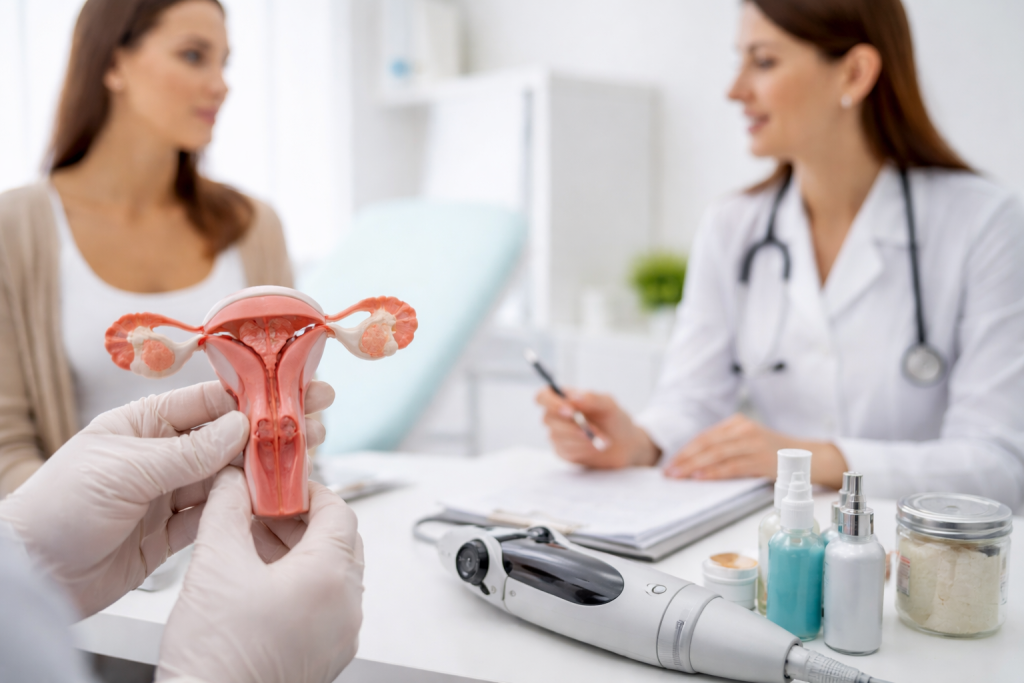
For comprehensive women’s healthcare and guidance on reproductive and hormonal health, women can also explore the Gynaecology Department at HerCycLopedia.
Why Are Women More Likely to Experience Digestive Problems?
Several biological, hormonal, and lifestyle factors may contribute to digestive problems in women. Hormonal fluctuations, stress, pregnancy, diet, and conditions such as irritable bowel syndrome (IBS) can all affect digestive health.
Hormonal Changes and Digestion
Hormonal fluctuations can influence gastrointestinal function. Estrogen and progesterone may affect gut motility, fluid balance, and how the digestive system responds to food.
During menstruation, pregnancy, and menopause, hormonal changes may contribute to symptoms such as bloating, constipation, abdominal cramps, changes in bowel movements, indigestion, and acid reflux.
Some women notice that their digestive symptoms become more noticeable before or during their menstrual cycle. This connection between hormonal changes and digestion may explain why some women experience digestive problems during periods.
Keeping track of symptoms throughout the menstrual cycle may help identify recurring patterns. However, severe or persistent symptoms should be discussed with a healthcare professional. Women experiencing hormone-related concerns can consult a gynaecologist for appropriate medical guidance.
Stress and Emotional Health
The digestive system and brain communicate through the gut-brain axis, which means emotional and psychological stress can influence digestive function.
High levels of stress may affect gut motility and increase sensitivity to digestive sensations. As a result, some women may experience bloating, stomach discomfort, indigestion, constipation, diarrhea, changes in appetite, and abdominal discomfort.
The relationship between stress and digestive problems can be particularly relevant for women dealing with demanding work schedules, poor sleep, or ongoing emotional stress.
Stress management techniques such as regular exercise, deep breathing, meditation, yoga, and adequate sleep can support women’s overall digestive health.
Diet and Eating Habits
Diet plays an important role in maintaining good digestive health. Busy schedules may lead to skipped meals, eating too quickly, frequent consumption of processed foods, or inadequate fiber and water intake.
Poor dietary habits may contribute to gas and bloating, constipation, indigestion, acid reflux, irregular bowel movements, and nutritional deficiencies.
A balanced diet containing vegetables, fruits, whole grains, legumes, and other fiber-rich foods can support regular bowel movements and healthy digestion.
Including appropriate foods for gut health is one of the simplest ways to support gut health for women. Individual food tolerance varies, so foods that trigger symptoms should be identified with appropriate professional guidance.
Pregnancy and Digestive Changes
Pregnancy causes significant hormonal and physical changes that can affect the digestive system. Hormonal changes and the growing uterus can influence gastrointestinal movement and contribute to discomfort.
Common digestive problems during pregnancy include nausea and vomiting, heartburn, acid reflux, constipation, bloating, and changes in appetite.
These symptoms are common during pregnancy, but severe, persistent, or unusual symptoms should be discussed with an obstetrician or other qualified healthcare professional.
Women should also avoid taking medications or supplements for digestive symptoms during pregnancy without professional guidance. Pregnancy-related concerns can be discussed with the Gynaecology Department for appropriate evaluation and care.
Irritable Bowel Syndrome in Women
Irritable Bowel Syndrome (IBS) is a common functional gastrointestinal disorder that can cause recurring abdominal pain and changes in bowel habits. IBS is diagnosed more frequently in women than in men.
Common IBS symptoms in women may include abdominal pain or cramping, bloating, constipation, diarrhea, alternating constipation and diarrhea, and changes in bowel habits.
IBS is one of the important digestive disorders in women, but similar symptoms can occur with other gastrointestinal conditions. Therefore, recurring symptoms should be properly evaluated rather than automatically being attributed to IBS.
Common Digestive Problems in Women
There are several common digestive problems that women may experience throughout their lives. These can range from temporary discomfort to chronic digestive conditions.
Some of the most common include acid reflux and GERD, constipation, bloating and excess gas, indigestion or dyspepsia, Irritable Bowel Syndrome (IBS), gastritis, food intolerances, lactose intolerance, gallbladder disorders, and hemorrhoids, particularly when associated with chronic constipation or pregnancy.
Symptoms can vary significantly from one woman to another. Recurring or worsening symptoms require appropriate medical evaluation.
Common Digestive Symptoms in Women
The symptoms associated with digestive issues in women can vary depending on the underlying cause.
Some common digestive symptoms in women include abdominal pain, bloating, excessive gas, constipation, diarrhea, heartburn, nausea, vomiting, indigestion, changes in bowel movements, and feeling unusually full after eating.
Keeping a record of symptoms, food intake, menstrual cycles, and other potential triggers can sometimes help healthcare professionals identify patterns.
Digestive Problems During Periods
Hormonal fluctuations around menstruation can affect gastrointestinal function. Some women experience bloating, abdominal cramps, constipation, or diarrhea before or during their periods.
These digestive problems during periods may occur because hormonal changes can influence intestinal movement and sensitivity.
Helpful habits may include drinking enough water, eating fiber-rich foods, staying physically active, limiting foods that personally trigger bloating, getting sufficient sleep, and managing stress.
If digestive symptoms are severe every month or significantly interfere with daily activities, medical advice should be considered. A gynaecology consultation can also help assess menstrual or hormonal factors that may be contributing to recurring symptoms.
Red Flag Symptoms: When to See a Doctor
While occasional digestive discomfort is common, certain symptoms may indicate an underlying medical condition and should not be ignored.
Consult a healthcare professional if you experience:
Persistent or severe abdominal pain, blood in the stool, black or tarry stools, unexplained weight loss, difficulty swallowing, persistent vomiting, severe or ongoing constipation, chronic diarrhea, persistent or worsening heartburn, or ongoing fatigue associated with digestive symptoms.
Early medical evaluation can help identify the possible causes of persistent digestive issues in women and support appropriate treatment.
How to Improve Gut Health for Women
Supporting gut health for women does not necessarily require complicated diets or drastic lifestyle changes. Consistent healthy habits can contribute to better digestion and overall well-being.
Eat More Fiber-Rich Foods
Include vegetables, fruits, whole grains, legumes, nuts, and seeds as part of a balanced diet. Increasing fiber gradually can help support regular bowel movements.
Stay Hydrated
Adequate fluid intake supports normal digestion and can help prevent constipation.
Include Probiotic Foods
Foods such as yogurt, kefir, and certain fermented foods contain beneficial microorganisms. They can be part of a balanced approach to women’s gut health.
Exercise Regularly
Regular physical activity can support normal bowel function and overall digestive health. Walking, cycling, swimming, yoga, and other suitable activities can be incorporated into a daily routine.
Manage Stress
Managing stress may help some people reduce digestive discomfort. Meditation, breathing exercises, yoga, and relaxation techniques can be useful.
Eat Regular Meals
Maintaining consistent meal patterns and eating slowly may help support comfortable digestion.
Limit Highly Processed Foods
Reducing excessive intake of highly processed, sugary, and fried foods may support overall health and healthy digestion for women.
Get Enough Sleep
Good-quality sleep supports overall physical and emotional health and may also influence the gut-brain connection.
These digestive health tips for women can help establish sustainable habits without relying on extreme diets or unproven remedies.
Foods That Support Digestive Health
Choosing nutritious foods is an important part of maintaining digestive health. Foods that provide fiber and beneficial nutrients may support regular digestion.
Examples include fruits such as bananas, apples, berries, and oranges, vegetables such as carrots, leafy greens, and broccoli, whole grains such as oats and brown rice, legumes such as lentils and beans, nuts and seeds, yogurt, and suitable fermented foods.
The best diet varies from person to person. Women with IBS, food intolerances, allergies, or other digestive conditions may need individualized dietary advice.
Why Regular Health Check-Ups Matter
Some digestive disorders develop gradually and may initially cause mild or intermittent symptoms. Regular health check-ups can help healthcare professionals assess persistent symptoms and identify potential nutritional deficiencies or underlying digestive conditions.
Women experiencing ongoing digestive issues should seek professional medical advice rather than relying solely on self-medication or internet remedies.
A medical evaluation may be particularly important when digestive symptoms are persistent, severe, recurring, or accompanied by warning signs such as unexplained weight loss or blood in the stool.
Taking digestive symptoms seriously is an important part of maintaining long-term women’s digestive health. For additional information about women’s health, wellness, and healthcare services, visit HerCycLopedia.
Conclusion
Digestive Issues in Women can result from a combination of hormonal changes, diet, stress, pregnancy, lifestyle factors, and underlying digestive conditions. Symptoms such as bloating, constipation, acid reflux, abdominal discomfort, and changes in bowel habits can occur at different stages of life.
Understanding common digestive problems, recognizing persistent symptoms, and adopting practical digestive health habits can help women take better care of their gastrointestinal well-being.
Eating a balanced diet, staying hydrated, exercising regularly, managing stress, getting adequate sleep, and seeking medical advice when necessary are practical ways to support gut health for women.
Good women’s digestive health is not about following extreme diets or quick fixes. Consistent, evidence-based lifestyle habits and timely professional care are the foundation for healthier digestion.
Frequently Asked Questions
1. Why are digestive issues more common in women?
Hormonal fluctuations, pregnancy, stress, dietary habits, and conditions such as IBS may contribute to digestive issues in women.
2. Can hormones affect digestion?
Yes. Hormonal fluctuations during menstruation, pregnancy, and menopause can influence gastrointestinal function. This is why hormonal changes and digestion are closely connected.
3. What are the most common digestive problems in women?
Some common digestive problems include bloating, constipation, acid reflux, indigestion, IBS, gastritis, food intolerances, and gallbladder disorders.
4. What foods help improve gut health?
Fiber-rich vegetables, fruits, whole grains, legumes, nuts, seeds, yogurt, and suitable fermented foods can support gut health for women as part of a balanced diet.
5. When should I see a doctor for digestive problems?
Seek medical advice if symptoms are persistent, worsening, or accompanied by warning signs such as blood in the stool, unexplained weight loss, persistent vomiting, difficulty swallowing, or severe abdominal pain.