Why Iron Matters for Every Woman
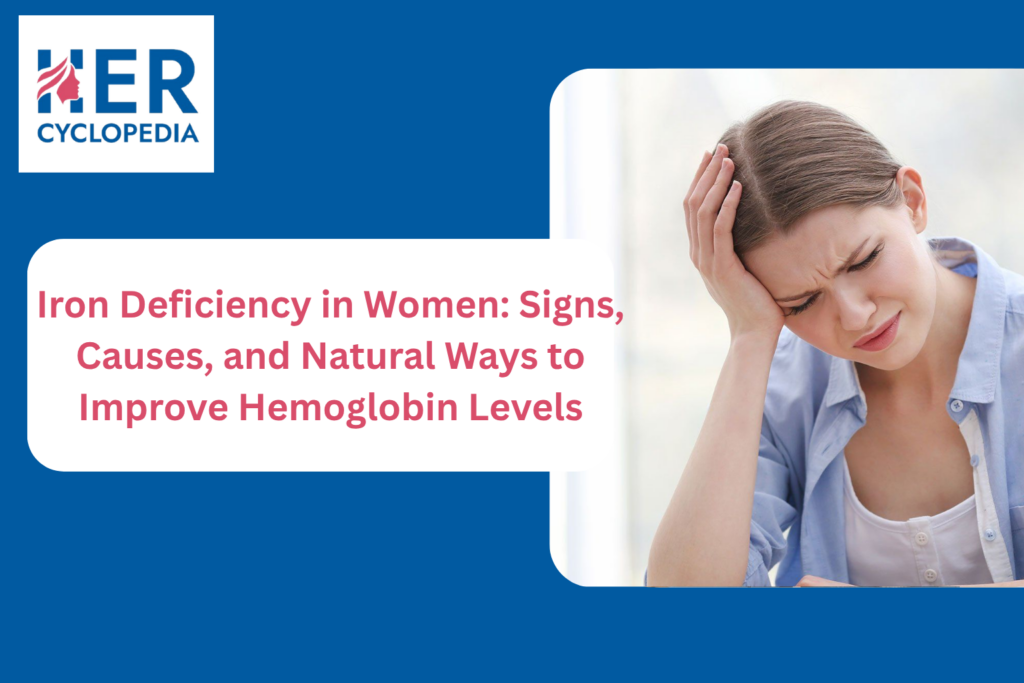
Iron is one of the most important minerals the body needs to produce hemoglobin, the protein in red blood cells that carries oxygen to every organ and tissue. When iron levels become low, the body cannot produce enough healthy red blood cells, which may lead to Iron Deficiency Anemia.
Women are more likely to experience Iron Deficiency because of menstruation, pregnancy, breastfeeding, and increased nutritional demands at different stages of life. Recognizing the early signs and maintaining a balanced diet can play a key role in supporting long-term health.
What Is Iron Deficiency?
Iron Deficiency occurs when the body does not have enough iron to produce adequate hemoglobin. As a result, less oxygen reaches the body’s tissues, often causing tiredness, weakness, and reduced physical performance.
If left untreated, iron deficiency can affect daily activities, concentration, immunity, and overall quality of life. Regular health check-ups and timely medical advice can help identify the condition early.
Common Symptoms of Iron Deficiency in Women
Many women experience mild symptoms initially, which can gradually become more noticeable.
Common signs include:
- Persistent Fatigue
- Low Hemoglobin
- Pale Skin
- Frequent Dizziness
- Shortness of Breath
- Headaches
- Cold Hands and Feet
- Hair Loss
- Brittle Nails
- Poor Concentration
- Weakness
- Fast Heartbeat
If these symptoms continue, consult a healthcare professional for proper evaluation.
What Causes Iron Deficiency?
Several factors can contribute to low iron levels, including:
- Heavy menstrual bleeding
- Pregnancy and breastfeeding
- Poor dietary iron intake
- Digestive disorders that reduce iron absorption
- Frequent blood donation
- Chronic medical conditions
- Increased nutritional requirements during adolescence
Understanding the underlying cause helps doctors recommend the most appropriate treatment.
Best Iron-Rich Foods to Improve Hemoglobin
Eating a balanced diet rich in iron is one of the most effective ways to support healthy Hemoglobin Levels.
Include these Iron-Rich Foods in your meals:
Animal-Based Iron Sources
- Lean red meat
- Chicken
- Fish
- Eggs
- Liver (where appropriate)
Plant-Based Iron Sources
- Spinach
- Drumstick Leaves (Moringa)
- Amaranth Leaves
- Lentils
- Chickpeas
- Kidney Beans
- Black Gram
- Soybeans
- Pumpkin Seeds
- Sesame Seeds
- Dates
- Raisins
- Beetroot (supports a healthy diet, though it is not particularly high in iron)
- Jaggery (can be part of a balanced diet but should not be relied on as the sole iron source)
Combining plant-based iron with Vitamin C-Rich Foods can improve iron absorption.
Foods That Help Increase Iron Absorption
To get the maximum benefit from your meals, pair Iron-Rich Foods with foods rich in Vitamin C.
Examples include:
- Oranges
- Sweet Lime
- Guava
- Kiwi
- Amla (Indian Gooseberry)
- Tomatoes
- Bell Peppers
- Lemon Juice
This simple dietary habit can improve the body’s ability to absorb iron.
Foods to Limit Around Iron-Rich Meals
Certain foods and beverages may reduce iron absorption when consumed with meals.
Try to avoid or delay these immediately around iron-rich meals:
- Tea
- Coffee
- Excess dairy products
- Calcium supplements (unless advised)
- Highly processed foods
Spacing these foods away from iron-rich meals may support better absorption.
Healthy Lifestyle Tips for Better Iron Levels
Along with a nutritious diet, a healthy lifestyle supports better overall wellness.
Helpful habits include:
- Eat balanced meals every day.
- Include Iron-Rich Foods regularly.
- Consume Vitamin C with meals.
- Stay physically active.
- Drink enough water.
- Get sufficient sleep.
- Attend routine health check-ups.
- Take iron supplements only if prescribed by a healthcare professional.
Why Women’s Health Check-ups Matter
Routine blood tests can help identify Low Hemoglobin and Iron Deficiency before symptoms become severe. Women with heavy menstrual periods, pregnancy, or ongoing fatigue may benefit from discussing iron testing with their healthcare provider.
Early diagnosis allows for appropriate dietary advice, supplementation when necessary, and treatment of any underlying causes.
Conclusion
Maintaining healthy iron levels is essential for energy, immunity, concentration, and overall well-being. Small dietary improvements, regular health monitoring, and timely medical guidance can make a significant difference in preventing Iron Deficiency in Women.
By including nutrient-rich foods, improving iron absorption, and paying attention to early symptoms, women can support healthy Hemoglobin Levels and enjoy a more active, healthier lifestyle.
Frequently Asked Questions
1. What are the early symptoms of Iron Deficiency in Women?
Common symptoms include fatigue, dizziness, pale skin, weakness, headaches, and low hemoglobin.
2. Which foods naturally improve hemoglobin?
Spinach, lentils, beans, pumpkin seeds, lean meat, eggs, and other Iron-Rich Foods can help support healthy hemoglobin levels.
3. Does Vitamin C help with iron absorption?
Yes. Foods rich in Vitamin C improve the absorption of non-heme (plant-based) iron.
4. Who is most at risk of iron deficiency?
Women with heavy menstrual bleeding, pregnant women, adolescents, and individuals with poor dietary intake are at higher risk.
5. Should I take iron supplements without medical advice?
No. Iron supplements should only be taken after consulting a healthcare professional and confirming the need through appropriate evaluation.