
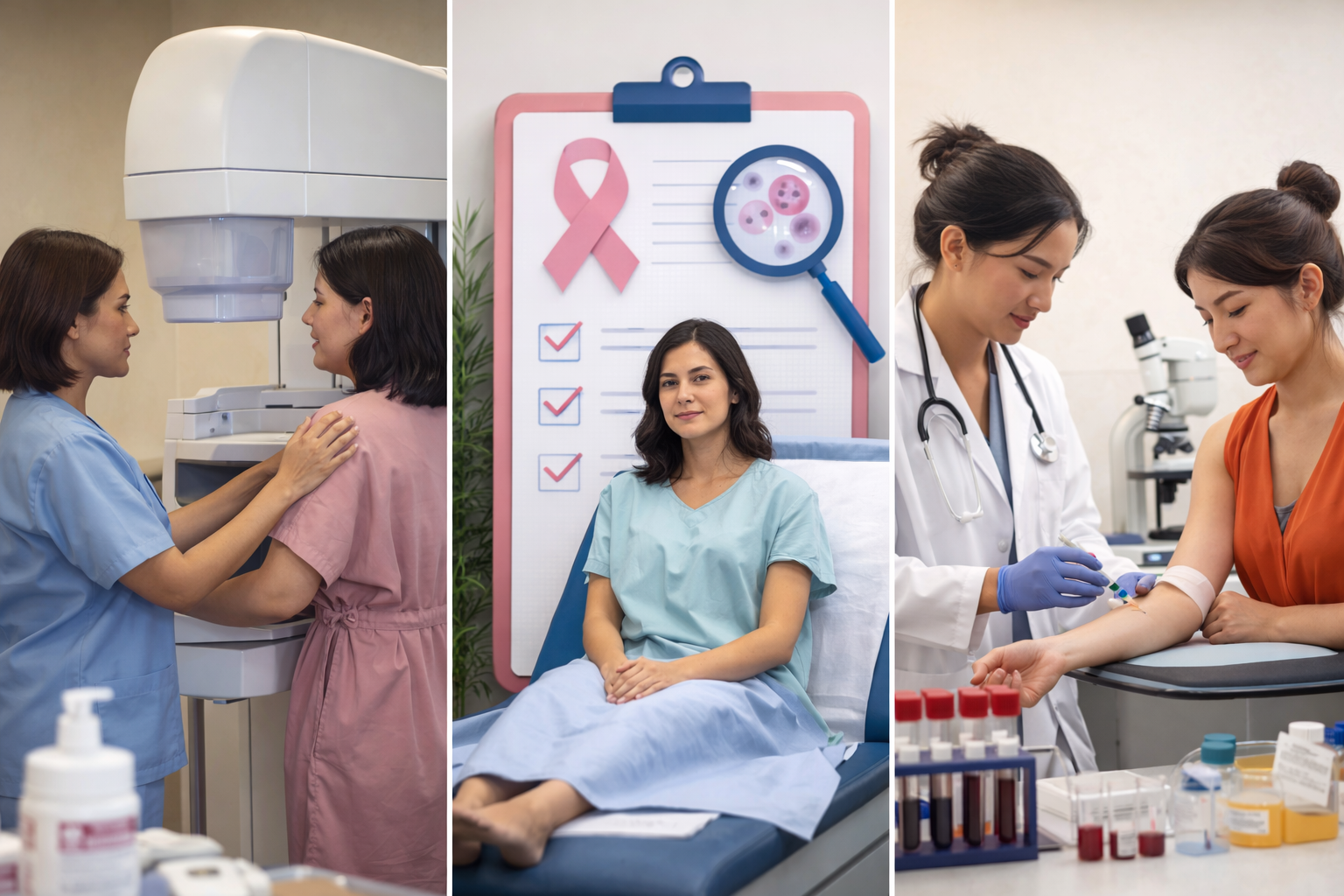
Cancer screening plays a vital role in early detection and prevention. Many cancers affecting women develop silently, showing few or no symptoms in the early stages. Regular screening after the age of 30 helps identify abnormalities early, when treatment is most effective and outcomes are better.
As women balance careers, family, and personal health, preventive care is often overlooked. Understanding which cancer screening tests are essential after 30 empowers women to take proactive steps toward long term health and well being.
This guide explains the key cancer screening tests every woman should consider after the age of 30.
Why Cancer Screening Is Important After 30
After 30, hormonal changes, lifestyle factors, and cumulative health risks begin to influence cancer development. Early detection through screening:
- Identifies cancer before symptoms appear
- Detects precancerous changes
- Improves treatment success rates
- Reduces cancer related complications
Regular screening does not mean you have cancer. It is a preventive step toward protecting your health.
Cervical Cancer Screening
Cervical cancer is one of the most preventable cancers when detected early.
Pap Smear Test
The Pap smear checks for abnormal cells in the cervix that may develop into cancer.
Who should do it
- Women aged 21 to 65
- Every three years if results are normal
HPV Test
The HPV test detects high risk strains of human papillomavirus that cause cervical cancer.
Who should do it
- Women aged 30 and above
- Every five years when combined with a Pap test
Regular cervical screening significantly reduces cervical cancer risk.
Breast Cancer Screening
Breast cancer is one of the most common cancers in women. Early detection improves survival rates.
Breast Self Examination
Self examination helps women become familiar with normal breast changes.
How often
- Once every month
Clinical Breast Examination
Performed by a doctor to check for lumps or abnormalities.
How often
- Every one to three years after 30
Mammography
Mammograms detect breast changes before they are felt.
When to start
- Usually from age 40
- Earlier for women with family history or high risk factors
Your doctor may recommend an ultrasound or MRI depending on breast tissue and risk profile.
Ovarian Cancer Awareness and Screening
There is no routine screening test for ovarian cancer, but awareness is critical.
Who Is at Risk
- Family history of ovarian or breast cancer
- Genetic mutations
- Long term infertility or endometriosis
What to Watch For
- Persistent bloating
- Pelvic or abdominal pain
- Feeling full quickly
- Changes in urination
Women at high risk may require ultrasound and blood tests as advised by a specialist.
Colorectal Cancer Screening
Colorectal cancer risk increases with age.
Screening Options
- Stool based tests
- Colonoscopy
When to start
- From age 45
- Earlier if there is family history or symptoms
Early detection allows removal of precancerous polyps.
Thyroid Cancer Screening
Thyroid disorders are more common in women.
Screening Methods
- Physical neck examination
- Thyroid function blood tests
- Ultrasound if abnormalities are found
Women with family history or thyroid symptoms should undergo regular evaluation.
Skin Cancer Screening
Skin cancer risk increases with sun exposure and lifestyle factors.
What to Look For
- New or changing moles
- Irregular borders or uneven colour
- Non healing skin lesions
Annual skin checks are recommended for women with high sun exposure.
Lung Cancer Screening for High Risk Women
Women who smoke or have long term exposure to secondhand smoke may benefit from lung cancer screening.
Screening Test
- Low dose CT scan
This is recommended only for high risk individuals after medical evaluation.
How Often Should Cancer Screening Be Done
Screening frequency depends on age, family history, and personal risk factors. Your gynecologist can create a personalised screening schedule based on your health profile.
When Should You See a Doctor
Consult your doctor if you:
- Have a family history of cancer
- Notice unusual symptoms such as unexplained weight loss or bleeding
- Have missed routine screenings
- Are planning long term health management after 30
Conclusion
Cancer screening is one of the most powerful tools for protecting women’s health. After 30, regular screening tests such as Pap smear, HPV testing, breast examinations, and colorectal screening can save lives through early detection.
At Hercyclopedia, our women’s health specialists provide comprehensive cancer screening services, personalised risk assessment, and compassionate care to support women at every stage of life.
Frequently Asked Questions
Some screenings begin in the early twenties, but comprehensive cancer screening becomes more important after 30.
Most screening tests are quick and cause minimal discomfort.
Every three years, or every five years when combined with HPV testing.
Yes. Screening is designed to detect cancer before symptoms appear.
Healthy diet, regular exercise, avoiding tobacco, and regular screening all help reduce cancer risk.