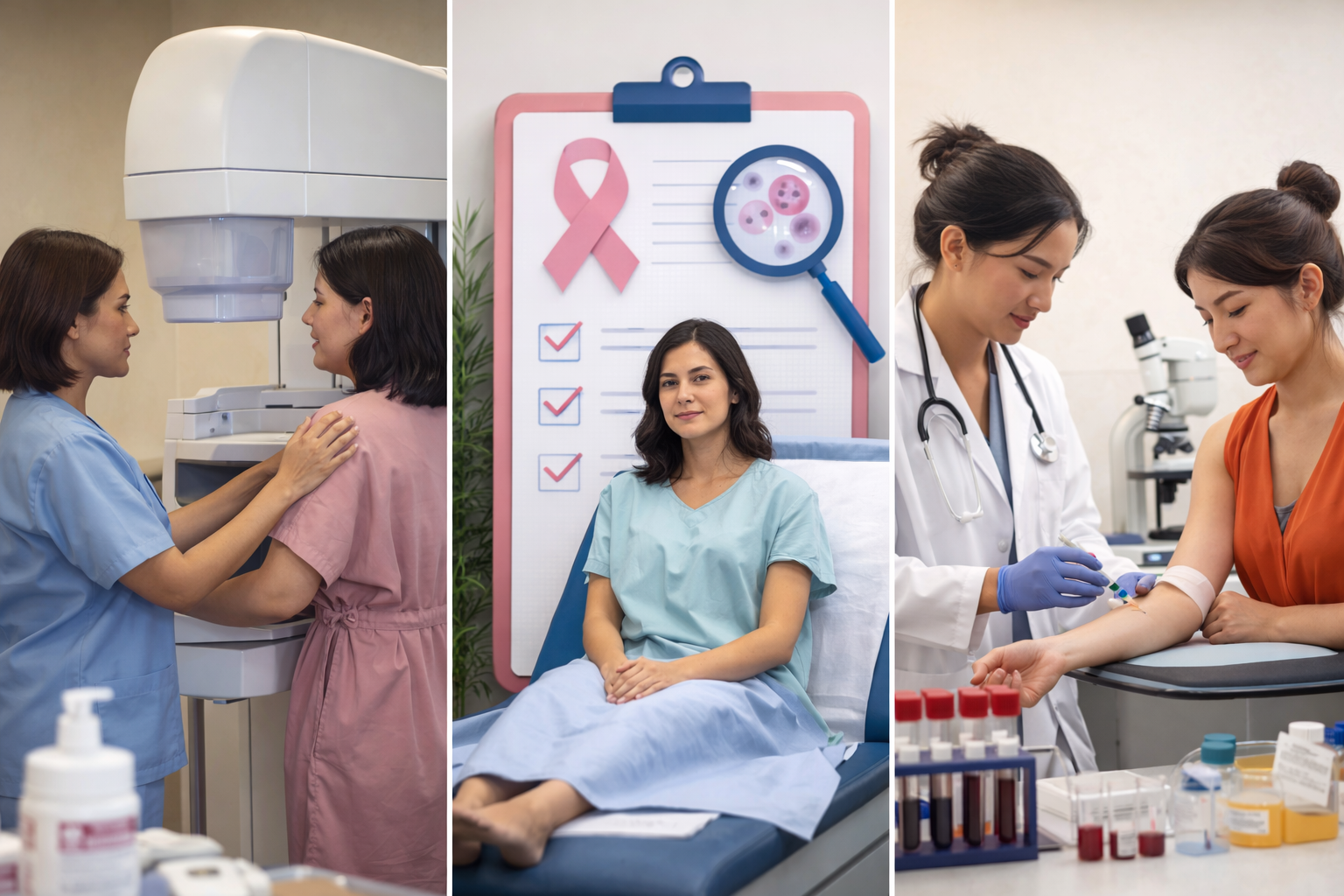

Starting IVF treatment can feel overwhelming, especially if it’s your first fertility journey. Understanding each stage of the process can help reduce anxiety and prepare you for treatment. For more expert articles on women’s health, fertility, and pregnancy, visit HerCyclopedia.
In Vitro Fertilization (IVF) is an advanced fertility treatment in which an egg is fertilized with sperm in a laboratory. The resulting embryo is then transferred into the uterus to achieve pregnancy.
What Is IVF?
IVF is a type of Assisted Reproductive Technology (ART) used to help individuals and couples experiencing infertility. Learn more about the complete IVF treatment process and what to expect during each stage.
Your fertility specialist may recommend IVF for conditions such as:
- Blocked fallopian tubes
- Ovulation disorders
- Endometriosis
- Male infertility
- Unexplained infertility
- Use of donor eggs or donor sperm
Step-by-Step IVF Process
Initial Consultation
Your fertility specialist reviews your medical history, previous fertility treatments, menstrual cycle, and lifestyle before recommending a personalized treatment plan.
Fertility Testing
Before treatment begins, you may undergo:
- Blood hormone tests
- Ovarian reserve assessment
- Pelvic ultrasound
- Semen analysis
- Infectious disease screening
These tests help determine the most suitable IVF protocol for your individual fertility needs.
Ovarian Stimulation
Hormonal medications are prescribed to stimulate the ovaries to produce multiple mature eggs instead of the single egg released during a normal menstrual cycle.
Monitoring
Regular ultrasound scans and blood tests monitor follicle growth and hormone levels, allowing your doctor to adjust medications if needed.
Trigger Injection
Once the eggs reach the appropriate stage of maturity, a trigger injection is administered. Egg retrieval is usually performed 34–36 hours later.
Egg Retrieval
Egg retrieval is a minimally invasive procedure performed under sedation. Using ultrasound guidance, mature eggs are collected from the ovaries. Most patients return home the same day.
Fertilization
A sperm sample is collected from the partner or donor. In the laboratory, eggs are fertilized naturally or through Intracytoplasmic Sperm Injection (ICSI) when recommended.
Embryo Development
The embryos are monitored for several days. Depending on your treatment plan, the best-quality embryo may be transferred immediately or frozen for future use.
Embryo Transfer
A selected embryo is placed into the uterus using a thin catheter. The procedure is quick, usually painless, and typically does not require anesthesia.
Two-Week Wait
After embryo transfer, continue taking your prescribed medications, eat a balanced diet, avoid smoking and alcohol, and follow your doctor’s recommendations until your pregnancy test.
Pregnancy Test
A blood test is performed 10–14 days after embryo transfer to confirm pregnancy. Your fertility specialist will discuss the next steps based on the results.
How Long Does IVF Take?
A complete IVF cycle generally takes 4 to 6 weeks, although the exact duration depends on your individual treatment plan and response to medications. Read our detailed guide on the IVF journey step by step for a better understanding of the treatment timeline.
Tips to Prepare for IVF
Improve your overall health by:
- Eating a nutritious diet
- Sleeping well
- Exercising as advised
- Managing stress
- Avoiding smoking and alcohol
- Taking medications exactly as prescribed
These healthy habits support your well-being throughout treatment and help you prepare for your IVF journey.
Possible Side Effects
Some people may experience temporary side effects such as:
- Mild bloating
- Abdominal discomfort
- Breast tenderness
- Mood changes
- Fatigue
- Mild cramping
- Light spotting
Contact your fertility clinic immediately if you experience severe pain, heavy bleeding, or difficulty breathing.
When Should You See a Fertility Specialist?
Consult a fertility specialist if:
- You are under 35 and have been trying to conceive for 12 months.
- You are 35 or older and have been trying to conceive for 6 months.
- You have irregular periods.
- You have endometriosis, blocked fallopian tubes, or recurrent pregnancy loss.
- Male infertility is suspected.
Early evaluation can help identify the cause of infertility and improve treatment planning.
Conclusion
IVF is a well-established fertility treatment that has helped millions of people achieve parenthood. Understanding each stage can make the process less stressful and more manageable. For more trusted fertility resources and women’s health information, explore HerCyclopedia.
Working closely with an experienced fertility specialist and following your personalized treatment plan can help you approach IVF with confidence and realistic expectations.
Frequently Asked Questions
Is IVF painful?
Most IVF procedures involve only mild discomfort. Egg retrieval is usually performed under sedation to improve comfort.
Can I work during IVF?
Yes. Most people continue their daily routine, although some appointments and procedures may require time off.
What affects IVF success?
IVF success depends on several factors, including age, embryo quality, reproductive health, and the underlying cause of infertility.
How many IVF cycles are usually needed to achieve pregnancy?
The number of IVF cycles varies for each person. Some conceive during the first cycle, while others may require multiple cycles depending on their age, fertility condition, and embryo quality.
What should I avoid during IVF treatment?
Avoid smoking, alcohol, recreational drugs, and excessive caffeine. Follow your fertility specialist’s advice regarding medications, diet, and physical activity throughout your treatment.