For nine months, pregnancy keeps you in the focus of attention. Doctors examine you, perform tests, and give you advice on preparing for childbirth. However, once you have given birth, the focus turns to the newborn, while you are left to recover and adjust to your new life.
The end of pregnancy is not the end of your healthcare journey, but the beginning of the postpartum period.
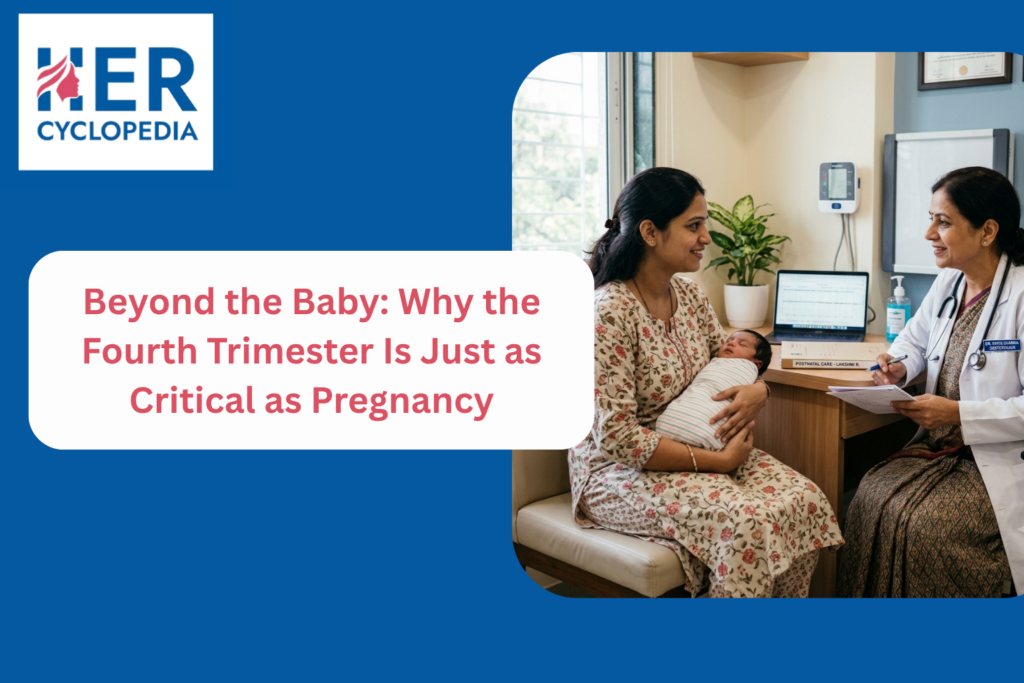
The first few months after delivery are referred to as the “fourth trimester.” Your postpartum body is recovering from pregnancy and childbirth, and you need to learn how to adapt to a new reality, hormonally, physically, emotionally, and nutritionally.
Understanding everything that may happen after childbirth can help you care for your postpartum body better and know when to seek medical help.
Postpartum Physical Recovery: Healing from Childbirth and Pregnancy
Whether you have delivered vaginally or had a C-section, your body will need time to heal.
There is no one-size-fits-all postpartum period, each woman’s body reacts differently to childbirth. The following post-delivery guidelines can help you take care of your postpartum body:
Take all the postpartum recovery care recommended by your doctor.
This includes postpartum checkups, recovery from delivery (C-section or vaginal), pelvic floor therapy, postpartum sexual health care, and more.
Take good care of your pelvic floor.
During pregnancy and postpartum, your pelvic floor muscles can be under great pressure. Until your doctor says it is safe, avoid exercising and lifting heavy objects.
Rest whenever you can.
New parents often have to sacrifice their sleep schedules for their child’s well-being. Remember that you can ask for help with errands and daily chores so you can get extra rest.
Eat healthy food.
Your postpartum body is very particular about the type of food it needs to heal, so eat healthy and drink plenty of water.
If you are breastfeeding, your diet is even more important.
Make sure to eat foods high in:
- iron
- proteins
- fibers
- vitamins
- fruits
- vegetables
- grains
- and other healthy options.
If you are experiencing any worrying postpartum symptoms, do not ignore your body. Consult your doctor to rule out any postpartum complications and receive personalized postpartum care.
For expert postpartum advice on physical and emotional recovery, pregnancy-related issues, and nutrition, consult Hercyclopedia Obstetrics Department.
Postpartum Care Is Not Only About Physical Recovery
While postpartum physical recovery may be the main reason for postnatal care, your emotional wellbeing, breastfeeding or postpartum nutrition, contraception options, pelvic floor, sex life, and other factors are also very important.
Your doctor will talk to you about all postpartum-related issues, including those you have not thought of.
Postpartum checkups are also an excellent time to ask your doctor questions about exercise, sexual activity, birth control options, future pregnancies, and more.
If you have concerning postpartum symptoms, do not wait for your postpartum checkups. If you feel like something is wrong, contact your doctor to set up an unscheduled appointment.
Fourth Trimester Mental Health: Coping with Postpartum Mood Changes
The postpartum period is challenging for most women.
Your postpartum body goes through tremendous change as it heals from childbirth and adjusts to nursing or breastfeeding. Lack of sleep, soreness, hormonal changes, and adjusting to a new life can be overwhelming.
The best way to deal with postpartum mental health issues is to differentiate between “baby blues” and postpartum depression.
Baby Blues after Childbirth
Baby blues is a common postpartum condition characterized by sadness, irritability, and anxiety. You may feel overwhelmed by the responsibility of taking care of a newborn, helpless, angry, or even hopeless.
However, baby blues is completely normal after childbirth, and most new mothers experience it. The symptoms of baby blues usually appear within a few days after childbirth and disappear on their own within 2 weeks.
Even though baby blues is nothing to worry about, it is essential to contact your doctor if your symptoms are severe or last longer than 2 weeks.
Postpartum Depression
Postpartum depression (PPD) is a postpartum mental health disorder characterized by feelings of extreme sadness, loss of interest in activities you used to enjoy, extreme fatigue, and hopelessness.
Other PPD symptoms include anger, frequent crying, withdrawal from social activities, inability to concentrate, sleeping too much or too little, and loss or increase of appetite.
PPD can also cause delusions or hallucinations in rare cases, but this type of PPD is severe and requires institutional care.
If you think you may have postpartum depression, it is vital to contact your doctor as soon as possible and ask for help.
PPD is a medical condition and can be successfully treated.
Remember that there is nothing wrong with seeking postpartum mental health care, and your doctor will not judge you in any way.
If you have thoughts of harming yourself or your newborn, seek emergency medical help immediately.
Postpartum Nutrition: Eating Healthy after Childbirth
Your postpartum diet is essential for your physical and mental recovery after childbirth. Make sure to eat healthy, balanced meals and stay hydrated.
A healthy postpartum diet should contain:
- iron-rich foods
- proteins
- fiber
- vitamins and minerals
- healthy fats
- fruits
- vegetables
- grains
- and other healthy options.
It is essential to listen to your body during the postpartum period, instead of trying to lose pregnancy weight as quickly as possible.
If you have anemia, diabetes, thyroid dysfunction, or other medical conditions, your doctor may give you personalized diet recommendations.
When Can You Start Exercising after Childbirth?
Exercise is an essential part of postpartum physical recovery.
However, it is crucial to give your body enough time to heal before exercising. The postpartum exercise guidelines will depend on the type of delivery you have had, your postpartum complications (if any), your pelvic floor condition, and your general well-being. In most cases, postpartum sex life and workouts can be gradually reintroduced after 6 weeks.
It is also important to pay attention to your body and listen to your doctor’s advice.
Most new mothers have different postpartum experiences, so comparing yourself to other new mothers is not helpful.
Creating a Postpartum Support System: Asking for Help
“…It takes a village to raise a child.” This proverb can be applied to postpartum care as well, but what does it really mean?
Many people are willing to help you during your postpartum period, but you need to know what and how they can help.
Instead of saying “I need help,” give specific instructions.
For example, ask someone to cook for you or buy groceries instead of telling them you need assistance.
Ask your partner, family members, or friends to help you with household chores like laundry, vacuuming, and other tasks that you would usually do.
Let them take care of older children when possible and accept help with postpartum nutrition and self-care.
If you are feeling overwhelmed by the constant flow of visitors, you can set boundaries.
Tell them you need time and space to care for your postpartum body and adjust to your new life, and ask to hear from them again later.
Your postpartum care should be no different from your prenatal care. Your postpartum body needs your loving care and attention just as much as your unborn child needed it.
When to Contact a Doctor after Childbirth?
The following postpartum symptoms require immediate medical attention:
- heavy vaginal bleeding
- fever or chills
- abdominal or pelvic pain
- painful swelling around the C-section incision or vaginal area
- severe headaches or vision changes
- chest pain or pressure
- painful swelling in one leg
- intense emotional distress
- thoughts of harming yourself or your newborn
If you experience any of the above postpartum symptoms, contact your doctor as soon as possible.
Your postpartum care should not be neglected only because you recently gave birth.
Common Postpartum Questions: Your Doctor Will Answer Them
You may have many questions about your postpartum care, but the following frequently asked questions can help you understand what to expect.
1. What is postnatal care?
Postnatal care refers to a woman’s physical and emotional well-being after childbirth. It covers a wide range of postpartum services, including postpartum physical recovery, mental health care, nutrition and breastfeeding advice, postpartum sex life, pelvic floor health, contraception counseling, and more.
2. How long does it take to recover from childbirth?
Every woman’s postpartum journey is different. Most postpartum symptoms subside within a few weeks. However, postpartum physical recovery can take longer, especially after a C-section. Your doctor will evaluate your postpartum condition and rule out any postpartum complications.
3. When can I start exercising after childbirth?
It depends on your postpartum condition and the type of delivery you have had. Your doctor will evaluate your postpartum pelvic floor and postpartum sexual health and give you individualized postpartum exercise recommendations.
4. What is the difference between baby blues and postpartum depression?
Baby blues are temporary postpartum mood changes, whereas postpartum depression is a mental health disorder. The symptoms of baby blues usually last for a few days or up to 2 weeks after childbirth.
5. When should I contact a doctor after childbirth?
Contact your doctor if you experience heavy vaginal bleeding, fever, pelvic or abdominal pain, painful swelling around the C-section or vaginal area, severe headaches or vision changes, chest pain or pressure, painful swelling in one leg, emotional distress, or thoughts of harming yourself or your newborn.