Osteoporosis is a condition that causes bones to become weak and brittle, increasing the risk of fractures even with minor falls or injuries. Women are more prone to osteoporosis, especially after menopause, due to hormonal changes that affect bone density.
Often called a silent disease, osteoporosis develops gradually and may not show symptoms until a fracture occurs. Understanding how to prevent osteoporosis through proper diet, exercise, and lifestyle changes is key to maintaining strong bones and long term mobility.
This blog explains osteoporosis in women, risk factors, prevention strategies, the best diet, and effective exercises for bone health.
What Is Osteoporosis
Osteoporosis is a bone disorder characterised by low bone mass and deterioration of bone tissue. This makes bones fragile and more likely to break, particularly in the hips, spine, and wrists.
Women lose bone density faster than men, especially during and after menopause when estrogen levels decline.
Why Women Are More Prone to Osteoporosis
Several factors increase osteoporosis risk in women.
Key Risk Factors
- Menopause and reduced estrogen levels
- Ageing
- Low calcium or vitamin D intake
- Family history of osteoporosis
- Thin body frame
- Sedentary lifestyle
- Smoking and excessive alcohol intake
- Long term use of certain medications
Understanding these risks helps in early prevention.
Symptoms of Osteoporosis
Osteoporosis often shows no symptoms in the early stages. As the condition progresses, symptoms may include:
- Back pain
- Loss of height
- Stooped posture
- Bone fractures after minor falls
- Weak or brittle bones
Regular screening helps detect osteoporosis before complications occur.
How Osteoporosis Is Diagnosed
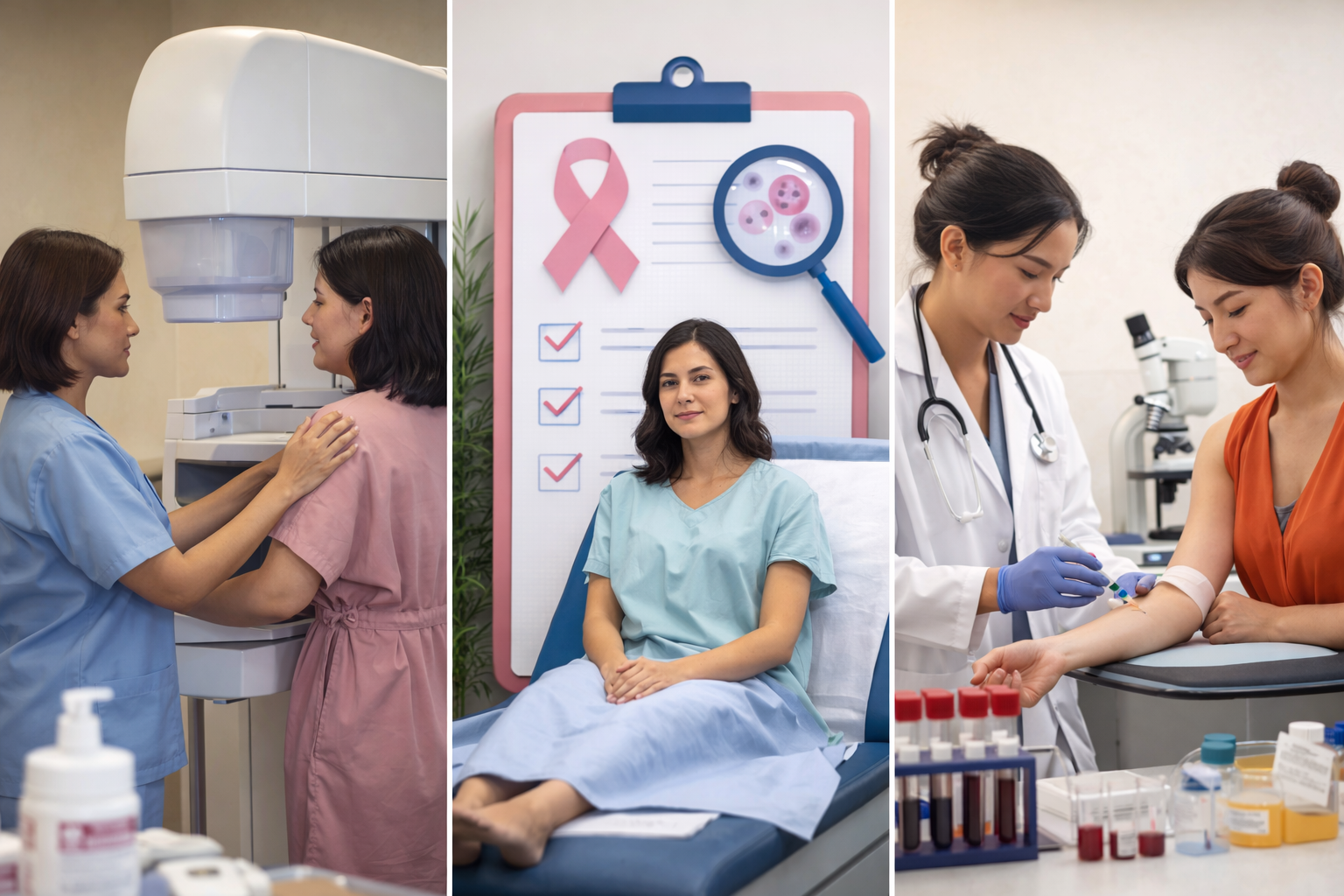
Osteoporosis is diagnosed through:
- Bone mineral density testing
- DEXA scan
- Blood tests to assess calcium and vitamin D levels
Women over 50 or those with risk factors should undergo regular bone health screening.
Prevention of Osteoporosis in Women
Preventive measures are most effective when started early.
Lifestyle Changes
- Maintain a healthy body weight
- Avoid smoking and limit alcohol
- Get adequate sunlight for vitamin D
- Practice fall prevention at home
Diet for Strong Bones
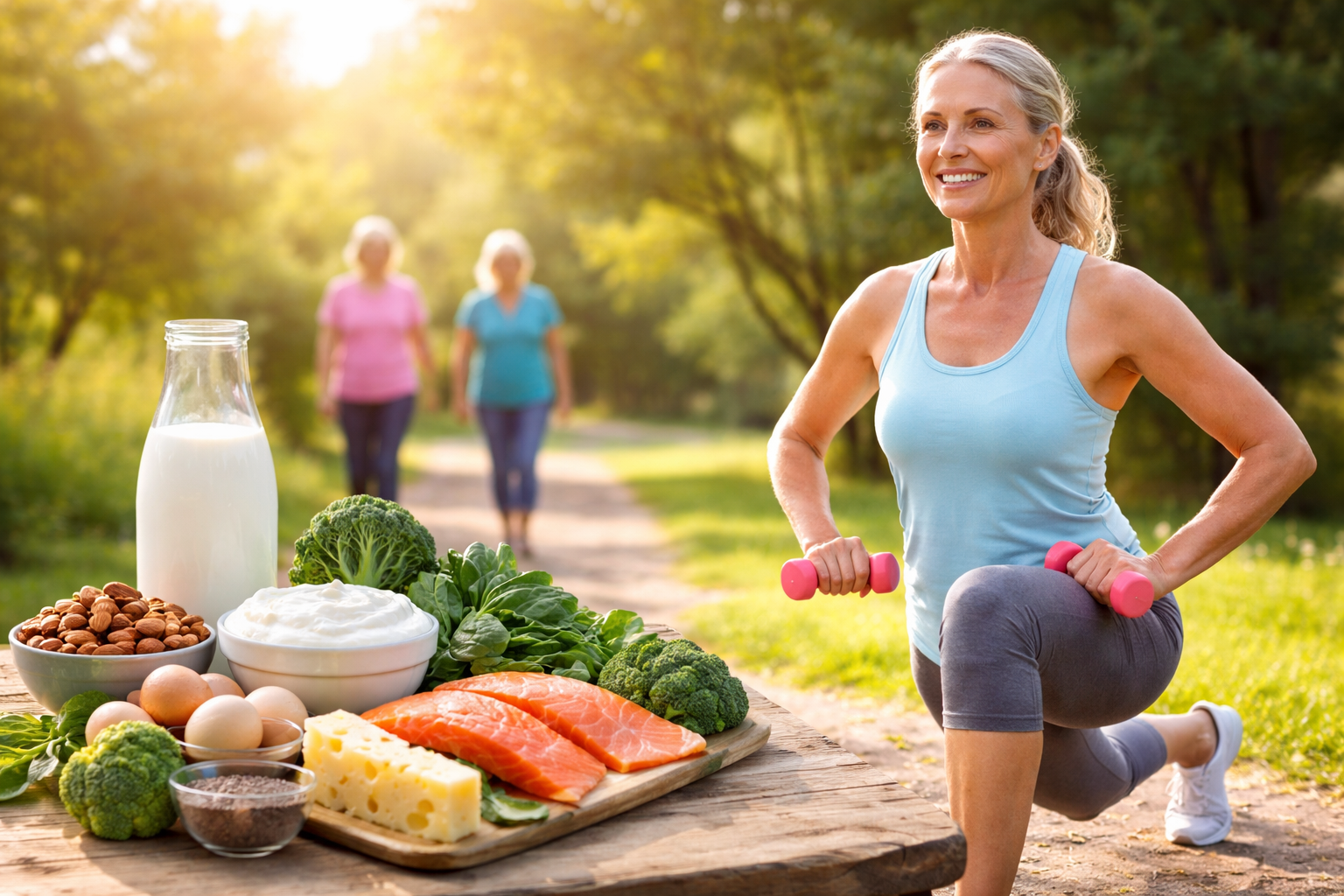
Nutrition plays a crucial role in bone health.
Calcium Rich Foods
- Milk and dairy products
- Cheese and yogurt
- Ragi
- Almonds
- Sesame seeds
- Green leafy vegetables
Vitamin D Sources
- Sunlight exposure
- Fortified dairy products
- Egg yolk
- Fatty fish
Other Bone Supporting Nutrients
- Protein for bone strength
- Magnesium and phosphorus
- Vitamin K for bone metabolism
A balanced diet supports bone density and reduces fracture risk.
Best Exercises for Osteoporosis Prevention
Regular physical activity strengthens bones and improves balance.
Weight Bearing Exercises
- Walking
- Jogging
- Stair climbing
- Dancing
Strength Training
- Resistance band exercises
- Light weight training
- Body weight exercises
Balance and Flexibility Exercises
- Yoga
- Tai chi
- Stretching routines
Exercise also helps reduce the risk of falls.
Osteoporosis Treatment Options
Treatment depends on severity and risk factors.
Medical Treatments
- Calcium and vitamin D supplements
- Medications to slow bone loss
- Hormone therapy in selected cases
Treatment should always be guided by a healthcare professional.
When Should Women Get Screened
Women should consider bone density screening if they:
- Are over 50 years of age
- Have reached menopause
- Have a history of fractures
- Have long term steroid use
- Have a family history of osteoporosis
Early screening helps prevent fractures and disability.
Conclusion
Osteoporosis in women is a serious but preventable condition. With early awareness, a calcium rich diet, regular exercise, and timely medical care, women can maintain strong bones and active lives.
At Hercyclopedia, our specialists offer comprehensive bone health evaluation, personalised prevention plans, and advanced treatment options to support women at every stage of life.
Frequently Asked Questions
Women typically begin losing bone density in their early thirties, with accelerated loss after menopause.
Bone loss cannot be completely reversed, but progression can be slowed and fracture risk reduced with treatment.
Walking is helpful, but combining it with strength and balance exercises gives better results.
Adult women generally need around 1000 to 1200 mg of calcium per day, depending on age.
Prevention should begin early in adulthood with healthy diet and active lifestyle.