
CARDIOLOGY
“EXPERT CARE FOR EVERY BEAT “
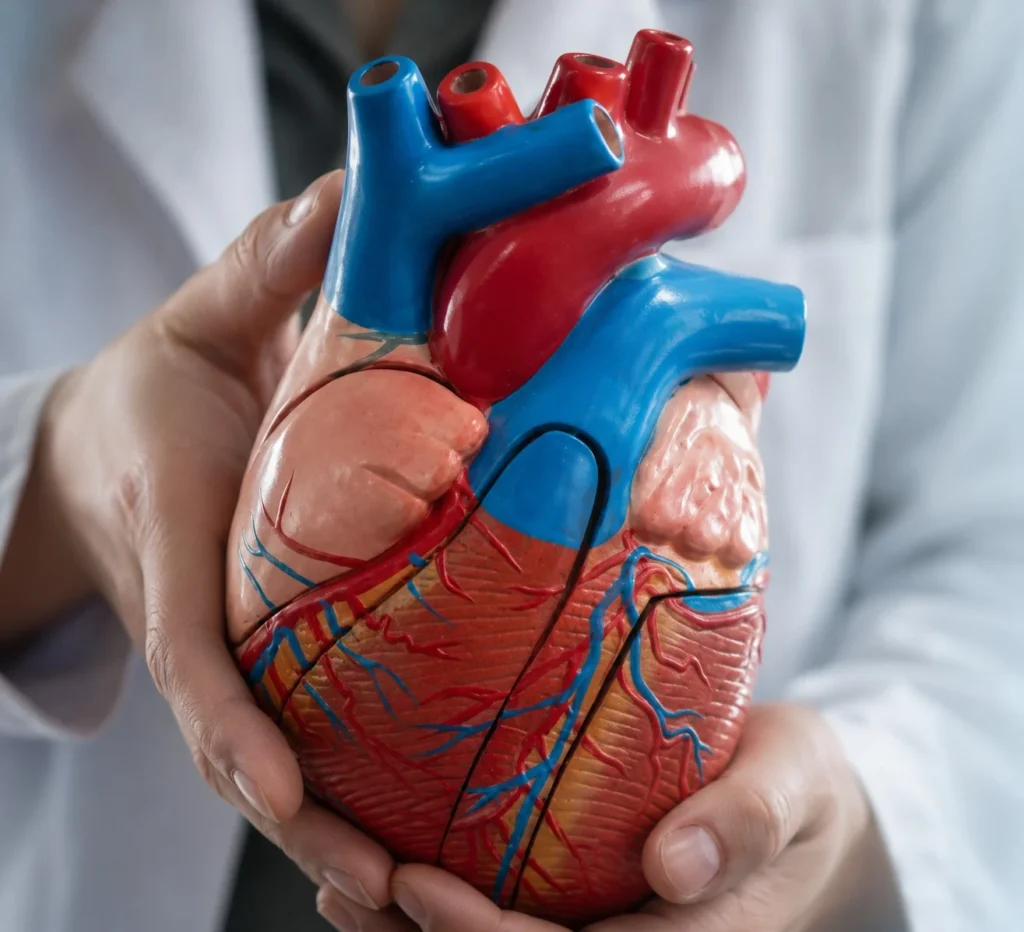
Cardiac Health in Women
Cardiovascular disease (CVD) is the leading cause of death in women worldwide, surpassing all cancers combined. Despite this, it is often underdiagnosed and undertreated due to gender disparities in awareness, symptom recognition, and research representation. Women present unique risk factors, clinical symptoms, and disease progression patterns that necessitate a tailored approach to diagnosis, prevention, and treatment.
Epidemiology:
- 1 in 3 women dies from cardiovascular disease globally.
- In India, over 30% of female deaths are attributed to heart disease (WHO, ICMR data).
- Women have a higher mortality rate following myocardial infarction (MI) compared to men.
- Heart failure with preserved ejection fraction (HFpEF) is more common in women than men.
Unique Risk Factors in Women:
While traditional risk factors like hypertension, diabetes, hyperlipidemia, and smoking apply to both genders, women face gender-specific and under-recognized risk factors, including:
Diagnostic Challenges:
Electrocardiogram (ECG) changes are often non-specific in women.
Coronary microvascular dysfunction (CMD) and non-obstructive coronary artery disease (INOCA) are more prevalent in women, leading to normal angiograms despite symptoms.
Women are less likely to be referred for stress testing, angiography, or cardiac imaging.
Management Considerations:
Women may have a higher bleeding risk with antithrombotic therapy.
Lower utilization of guideline-directed medical therapy (GDMT) in women with heart failure and ischemic heart disease.
Individualized treatment plans are essential due to sex-specific pharmacokinetics and pharmacodynamics.
Our Commitment:
At Hercyclopedia, we offer a dedicated Women’s Cardiac Care Program that includes:
Comprehensive cardiovascular risk screening
Women-specific heart health check-ups
Advanced diagnostic testing (including coronary CT, cardiac MRI, and microvascular assessment)
Cardiac care tailored for pregnancy-related conditions
Lifestyle and nutrition counseling
Post-MI and heart failure rehabilitation programs designed for women
Preventive Strategies
1. Primary Prevention
- Risk assessment tools should include female-specific factors (e.g., pregnancy history).
- Lifestyle modification: Diet, exercise, stress management, smoking cessation.
- Screening for hypertension, diabetes, and dyslipidemia from an early age, especially in women with adverse pregnancy outcomes.
Support systems, counseling, support groups and survivorship programs are critical in recovery and quality of life.
2. Secondary Prevention
- Pharmacological management of risk factors: statins, antihypertensives, antiplatelets.
- Cardiac rehabilitation programs designed to support women's physical and psychological recovery post-cardiac events.
- Avoid smoking and limit alcohol.
- Breastfeed (protective against breast and ovarian cancers).
- Stay updated with regular check-ups.
- Typical Symptoms in Men:
Chest pain or pressure
Radiation to the left arm
Sweating, palpitations
- Typical Symptoms in Women:
Shortness of breath
Nausea or vomiting
Jaw, neck, or back pain
Unexplained fatigue
Dizziness or lightheadedness
Indigestion or epigastric discomfort
- Conclusion
Cardiovascular disease in women is a major public health concern that requires greater awareness, timely diagnosis, and individualized care. Empowering women with the right knowledge and support is essential for prevention and long-term heart health.
Frequently Asked Questions
Yes. Heart disease is the leading cause of death in women worldwide, including in India. It causes more deaths than all cancers combined and often presents differently in women, making awareness critical.
Women may not always experience chest pain. Common early symptoms include:
Fatigue
Shortness of breath
Nausea or vomiting
Pain in the jaw, neck, or back
Dizziness or lightheadedness
Cold sweats
If you experience these symptoms, especially with exertion, seek medical care immediately.
Women often have atypical symptoms and may suffer from conditions like microvascular disease or spontaneous coronary artery dissection (SCAD), which are less common in men. Women are also more likely to develop heart failure with preserved ejection fraction (HFpEF) and experience delays in diagnosis.
Yes. Conditions like preeclampsia, gestational diabetes, and pregnancy-induced hypertension increase your long-term risk for cardiovascular disease. It’s important to share your pregnancy history with your cardiologist.
After menopause, the protective effect of estrogen declines. This leads to changes in cholesterol levels, blood vessel flexibility, and an increased risk of high blood pressure, diabetes, and heart disease.
Depending on your symptoms and risk profile, your doctor may recommend:
ECG (Electrocardiogram)
Echocardiogram
Treadmill stress test
Coronary angiography or CT angiogram
Blood tests for cholesterol, sugar, and inflammation
Women may also need tests to assess microvascular or non-obstructive heart disease.
Unfortunately, yes. Studies show women are less likely to receive evidence-based medications, angioplasty, or referrals for cardiac rehab. This makes education and proactive healthcare even more important for women.
Absolutely. Up to 80% of heart disease cases can be prevented with lifestyle changes:
Eating a heart-healthy diet
Exercising regularly
Controlling blood pressure and sugar
Avoiding smoking and limiting alcohol
Managing stress effectively
Yes. Chronic stress, anxiety, and depression are major risk factors, particularly in women. They contribute to high blood pressure, irregular heart rhythms, and unhealthy coping behaviors.
If you have risk factors like a family history of heart disease, high BP, diabetes, or past pregnancy complications, it’s wise to undergo a preventive cardiac check-up—even if you’re symptom-free.
Disclaimer: Results and patient experiences may vary. These are dependent on a number of factors including age, medical history, lifestyle and more.
