


Most Common Cancers in Women

oncology

1. Breast Cancer

  • Overview: Most frequently diagnosed cancer in women globally.
  • Symptoms: Breast lump, nipple inversion/discharge, skin changes.
  • Risk Factors: Age, family history (BRCA1/2), obesity, alcohol use, HRT.
oncology

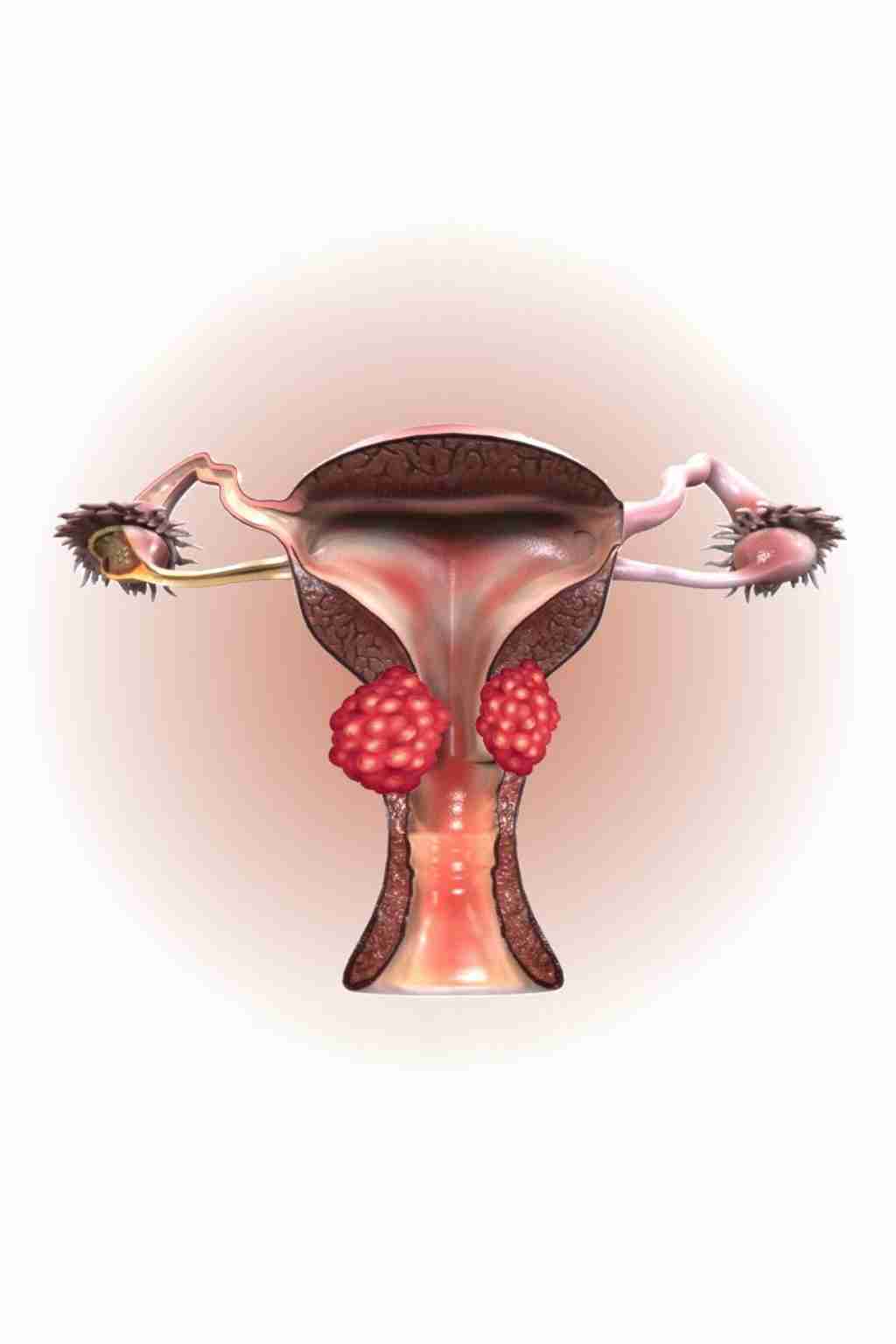
2. Cervical Cancer

  • Cause: Mostly by persistent high-risk HPV infection.
  • Symptoms: Abnormal vaginal bleeding, pelvic pain, foul-smelling discharge.
  • Prevention: HPV vaccination (ages 9–26), Pap smear every 3 years, HPV DNA testing.
oncology

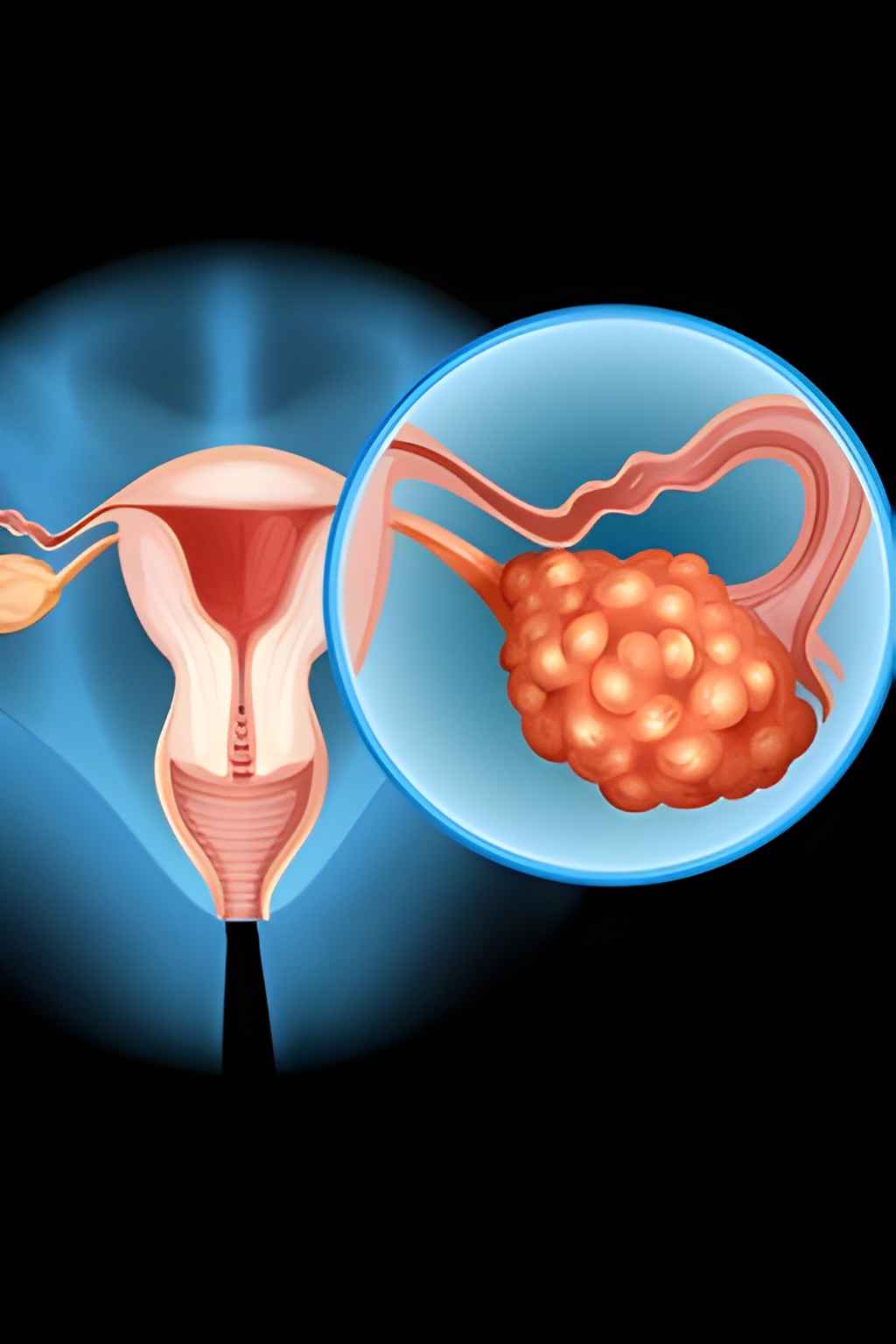
3. Ovarian Cancer

  • Symptoms: Bloating, abdominal pain, early satiety, urinary urgency.
  • Challenges: Often diagnosed late due to non-specific symptoms.
  • Risk Factors: Family history, endometriosis, BRCA mutations.

4. Endometrial (Uterine) Cancer

  • Symptoms: Postmenopausal bleeding, pelvic discomfort.
  • Risk Factors: Obesity, estrogen therapy, PCOS, diabetes.
oncology

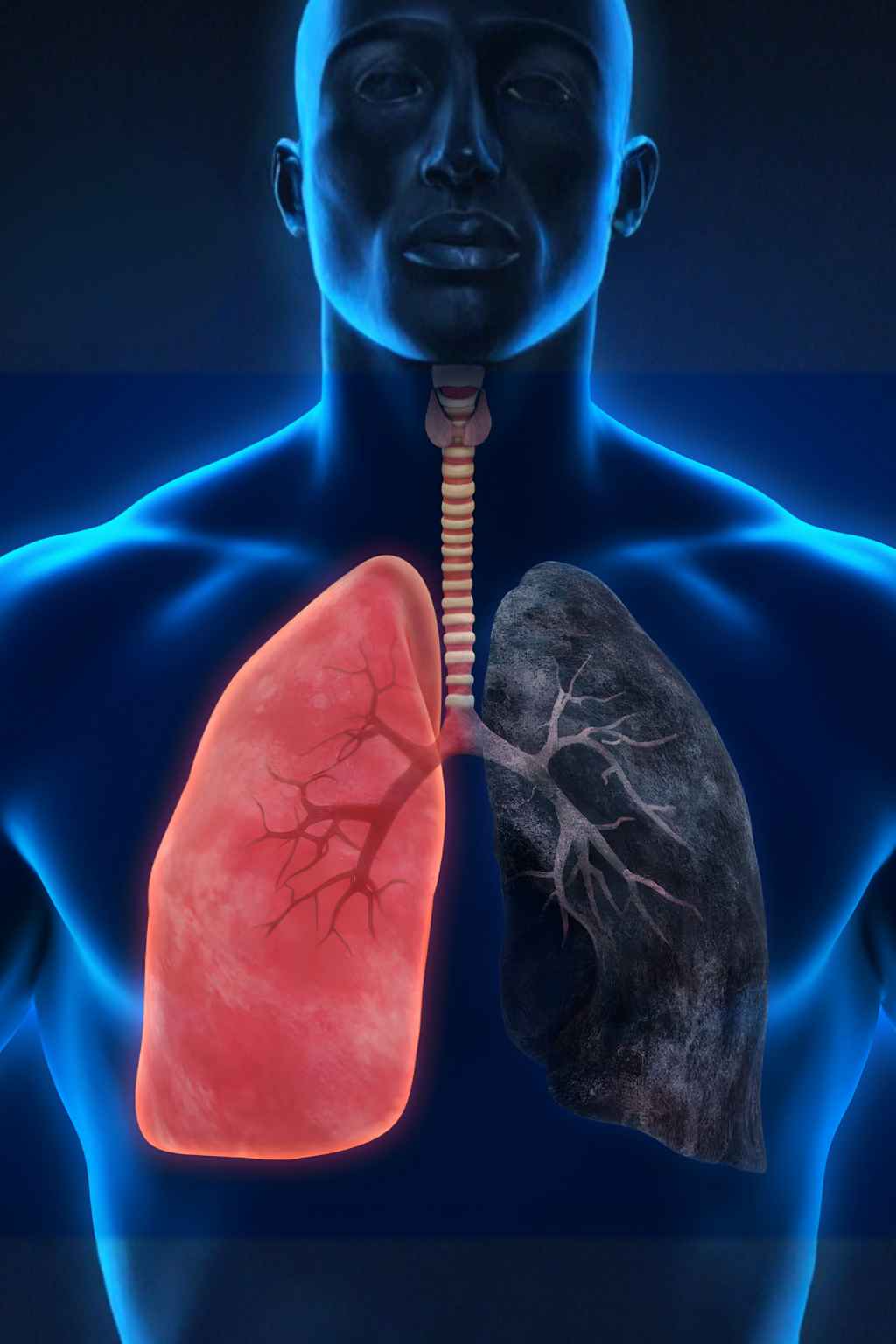
5. Lung Cancer

  • Rising concern among women, especially non-smokers.
  • Symptoms: Persistent cough, chest pain, hoarseness, breathlessness.
  • Risk Factors: Smoking, passive smoke, radon exposure.
oncology

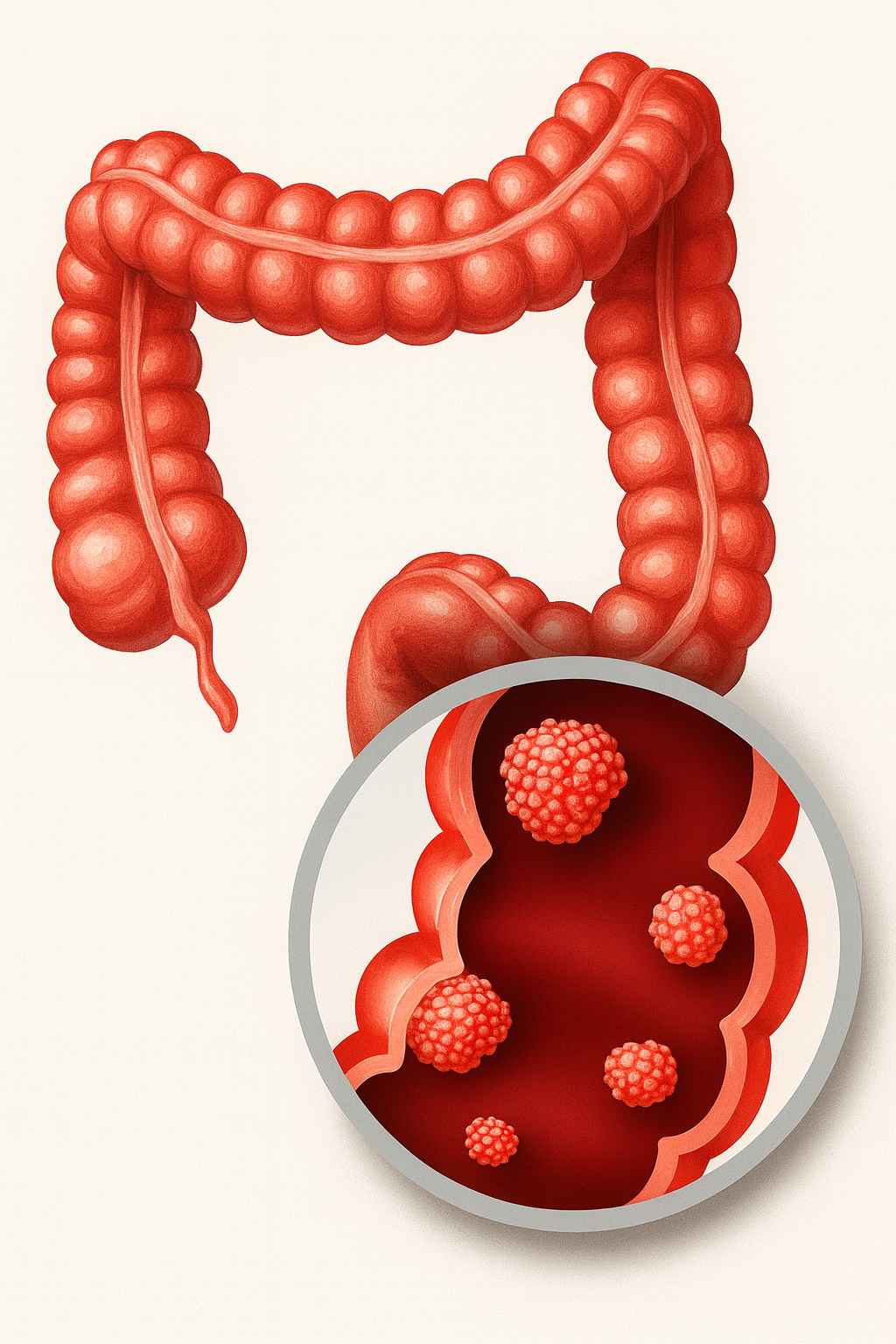
6. Colorectal Cancer

  • Increasing in young women.
  • Symptoms: Blood in stool, changes in bowel habits, weight loss.
  • Screening: Colonoscopy starting at age 45 or earlier if family history exists.

Most Common Cancers in Women

oncology

1. Breast Cancer

  • Overview: Most frequently diagnosed cancer in women globally.
  • Symptoms: Breast lump, nipple inversion/discharge, skin changes.
  • Risk Factors: Age, family history (BRCA1/2), obesity, alcohol use, HRT.
oncology

2. Cervical Cancer

  • Cause: Mostly by persistent high-risk HPV infection.
  • Symptoms: Abnormal vaginal bleeding, pelvic pain, foul-smelling discharge.
  • Prevention: HPV vaccination (ages 9–26), Pap smear every 3 years, HPV DNA testing.
oncology

3. Ovarian Cancer

  • Symptoms: Bloating, abdominal pain, early satiety, urinary urgency.
  • Challenges: Often diagnosed late due to non-specific symptoms.
  • Risk Factors: Family history, endometriosis, BRCA mutations.

4. Endometrial (Uterine) Cancer

  • Symptoms: Postmenopausal bleeding, pelvic discomfort.
  • Risk Factors: Obesity, estrogen therapy, PCOS, diabetes.
oncology

5. Lung Cancer

  • Rising concern among women, especially non-smokers.
  • Symptoms: Persistent cough, chest pain, hoarseness, breathlessness.
  • Risk Factors: Smoking, passive smoke, radon exposure.
oncology

6. Colorectal Cancer

  • Increasing in young women.
  • Symptoms: Blood in stool, changes in bowel habits, weight loss.
  • Screening: Colonoscopy starting at age 45 or earlier if family history exists.

Emotional & Mental Health in Women with Cancer

Women often face unique challenges:

Support systems, counseling, support groups and survivorship programs are critical in recovery and quality of life.

Lifestyle Tips to Lower Cancer Risk

Emerging Trends in Women’s Oncology

When to See a Doctor

Don’t ignore:

Breast Cancer

Screening Test: Mammogram
Recommended Age: 40+
Frequency: Every 1–2 years

Cervical Cancer

Screening Test: Pap + HPV test
Recommended Age: 21–65
Frequency: Every 3–5 years

Colorectal Cancer

Screening Test: Colonoscopy

Recommended Age: 45+

Frequency: Every 10 years

Ovarian Cancer

Screening Test: Not routine
Recommended Age: High-risk only
Frequency: Individualized

Breast Cancer

Screening Test: Low-dose CT
Recommended Age: 50–80 (high risk)
Frequency: Yearly

HPV Vaccine:

Hepatitis B Vaccine:

Cancer in women is not just a disease, it’s a call for proactive care, education and empowerment. With modern screening tools, vaccines, awareness and advanced treatments, most cancers in women are preventable or highly treatable if detected early.

Let’s break the stigma, encourage regular check-ups and support one another. Because every woman deserves a healthy, cancer-free life.

Frequently Asked Questions

The most common are:

Breast cancer
Cervical cancer
Ovarian cancer
Uterine (Endometrial) cancer
Vulvar & Vaginal cancers

Breast lump or nipple discharge
Abnormal vaginal bleeding
Pelvic or abdominal pain
Unexplained weight loss
Persistent bloating
Changes in breast shape/skin
Post-menopausal bleeding

If symptoms persist for more than 2–3 weeks, get checked.

Screening tests include:

Breast cancer: Mammogram (40+), Breast self-exam monthly
Cervical cancer: Pap smear & HPV test every 3–5 years
Ovarian & uterine cancer: Ultrasound if high-risk or symptomatic

Yes — early detection leads to excellent cure rates, especially for breast and cervical cancers.

Some cancers run in families (like breast/ovarian cancer due to BRCA genes).
If you have a strong family history, genetic counselling may help.

Regular exercise
Healthy weight
Avoid smoking & alcohol
Balanced diet (fruits, vegetables, whole grains)
Breastfeeding (reduces breast cancer risk)
Maintaining sexual hygiene

Disclaimer: Results and patient experiences may vary. These are dependent on a number of factors including age, medical history, lifestyle and more.