


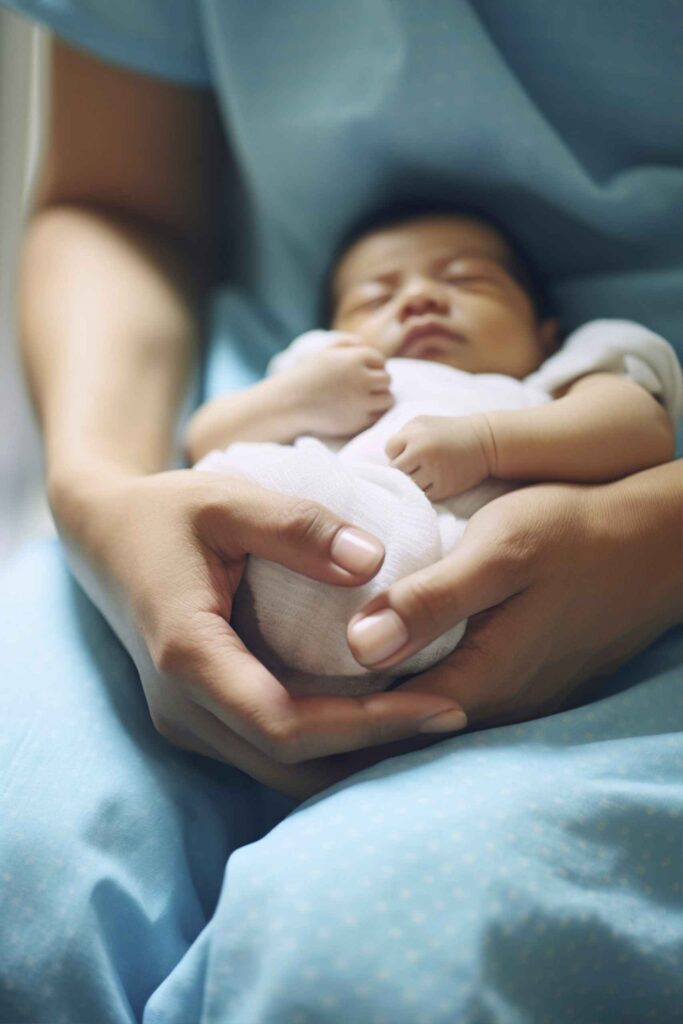

ABOUT IVF
In Vitro Fertilization (IVF) is an advanced fertility treatment that helps couples or individuals conceive a child when natural conception is difficult or not possible. It involves fertilizing an egg with sperm outside the body in a laboratory, and then transferring the resulting embryo into the uterus.
Who Needs IVF?
IVF is recommended in the following situations:
- Blocked or damaged fallopian tubes
- Male infertility (low sperm count or motility)
- Endometriosis
- Polycystic Ovarian Syndrome (PCOS)
- Unexplained infertility
- Recurrent pregnancy loss
- Women of advanced reproductive age
- Genetic disorders requiring embryo screening
- Same-sex couples or single individuals who wish to conceive
IVF Process – Step by Step
1. Initial Consultation
Fertility history review
Blood tests and scans
Planning of treatment schedule

2. Ovarian Stimulation
- Hormonal injections are given to stimulate multiple eggs in the ovaries
- Regular ultrasounds and blood tests monitor progress
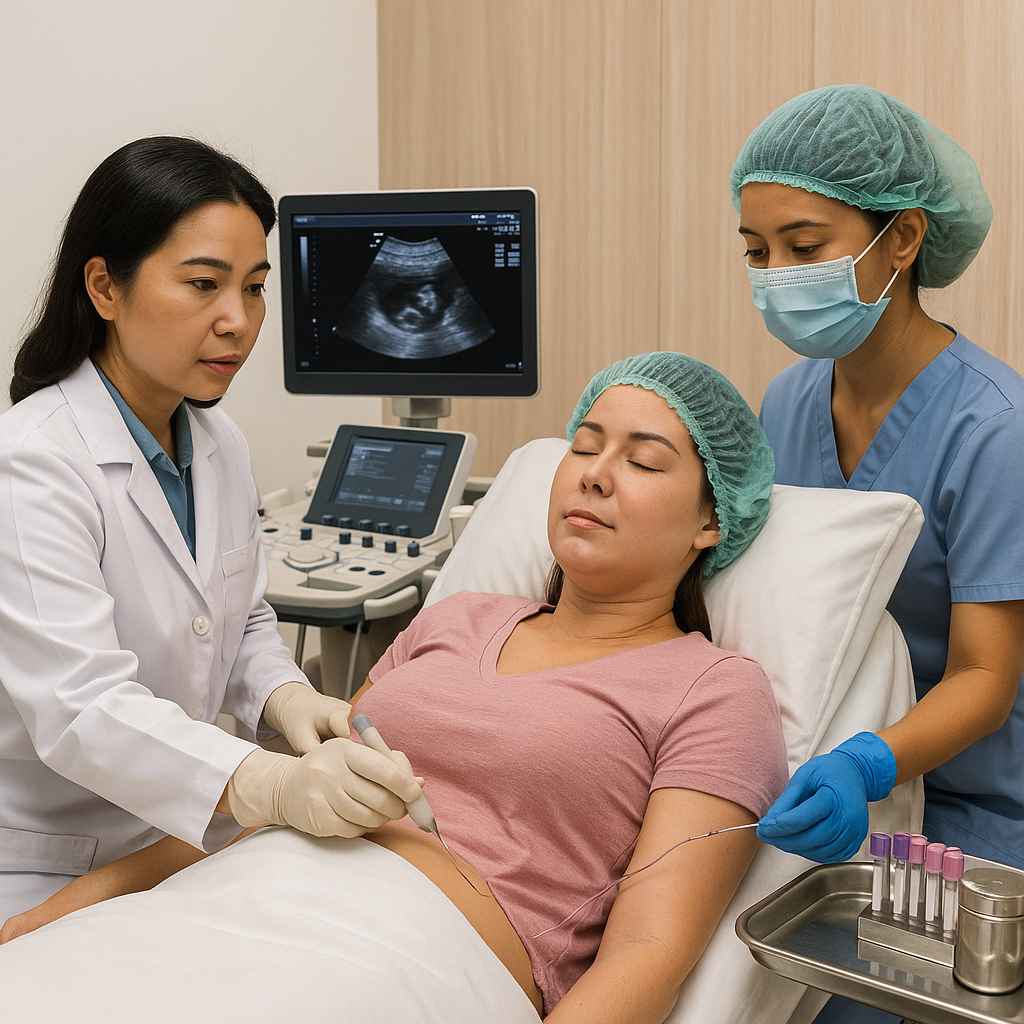
3. Egg Retrieval (Ovum Pick-Up)
- Performed under mild anesthesia
- Eggs are collected from the ovaries using ultrasound-guided aspiration
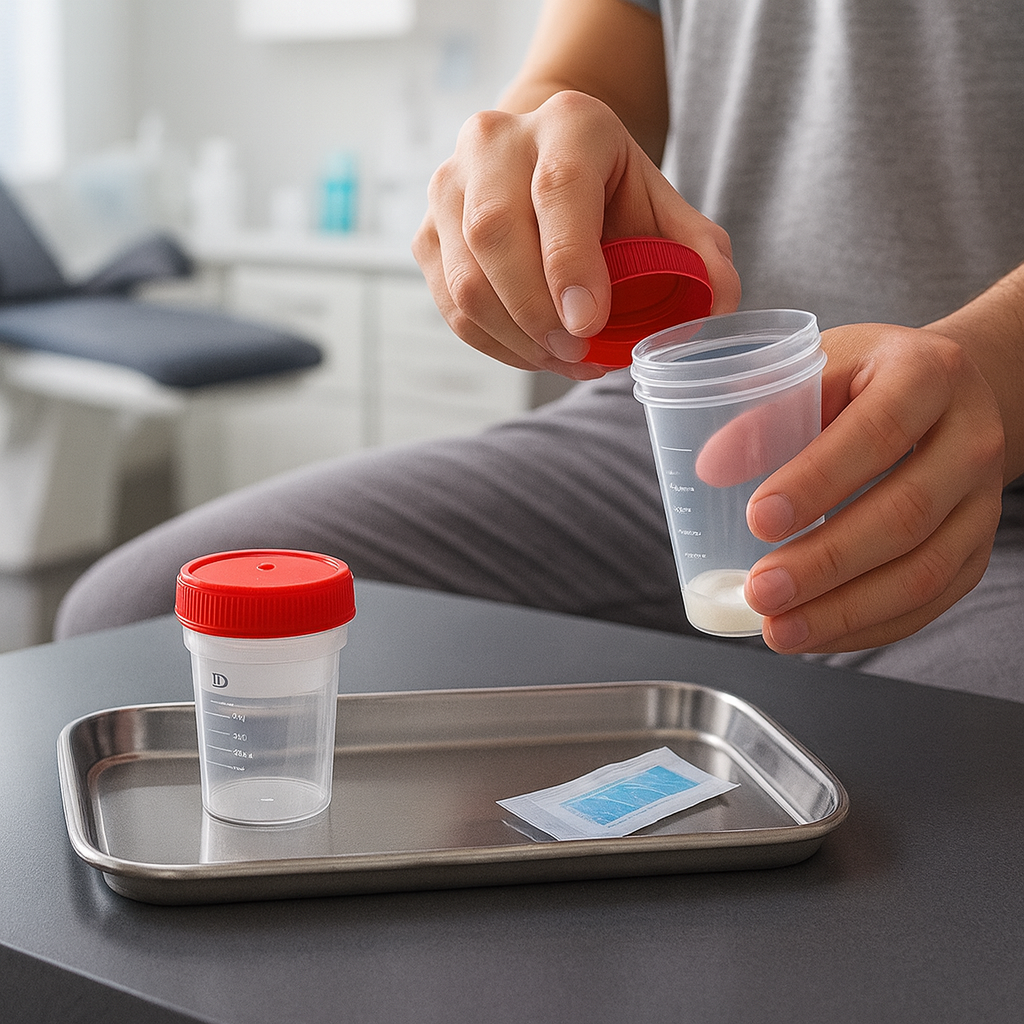
4. Sperm Collection
- Sperm is collected from the partner or donor
- In cases of severe male infertility, sperm may be extracted surgically (TESA/PESA)
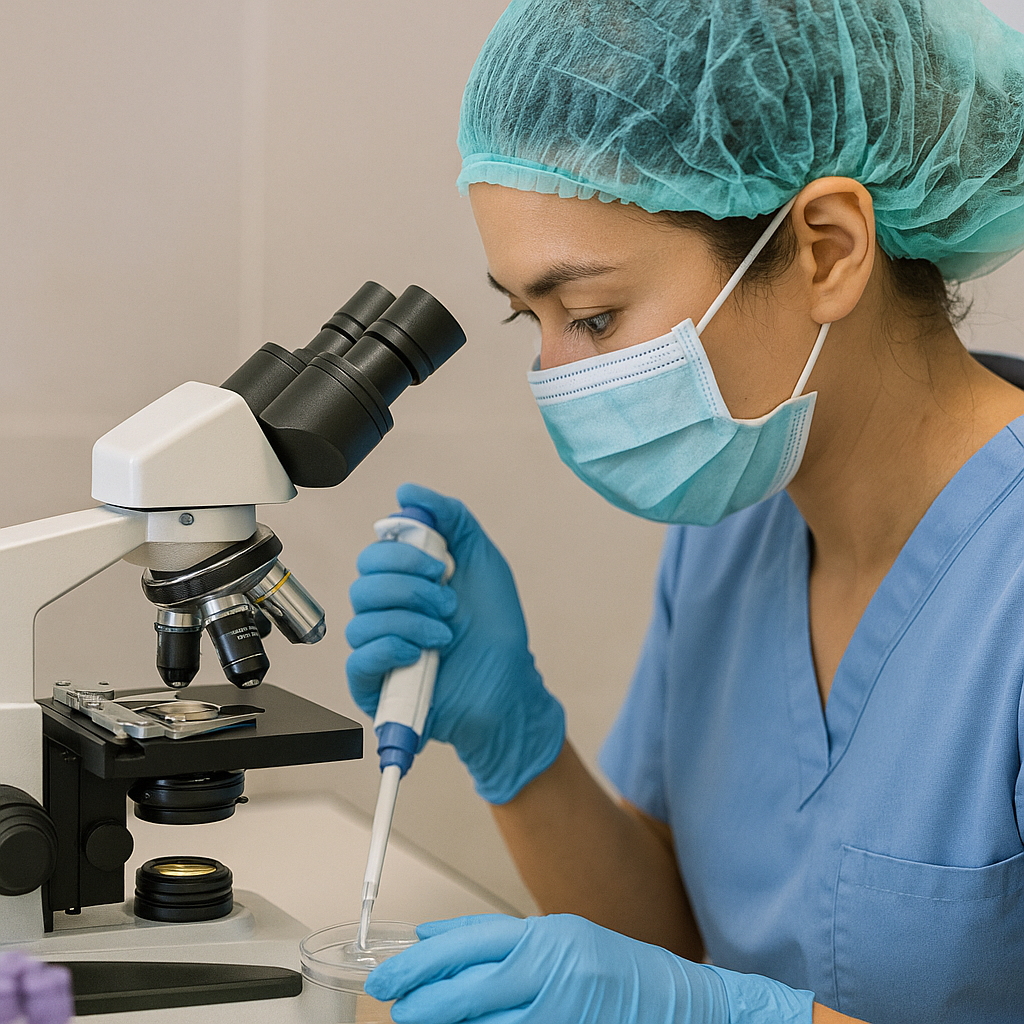
5. Fertilization in Lab
- Eggs and sperm are combined in a lab dish (conventional IVF) or using ICSI (Intracytoplasmic Sperm Injection)
- Embryos are cultured for 3-5 days
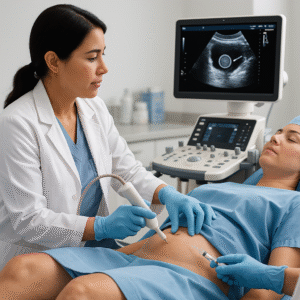
6. Embryo Transfer
- Healthy embryos are transferred into the uterus
- A simple, painless procedure done without anesthesia

7. Luteal Support
- Hormones are given to support the uterine lining
- A pregnancy test is done after 10-14 days
1. Initial Consultation
- Fertility history review
- Blood tests and scans
- Planning of treatment schedule
Â
2. Ovarian Stimulation
- Hormonal injections are given to stimulate multiple eggs in the ovaries
- Regular ultrasounds and blood tests monitor progress
Â
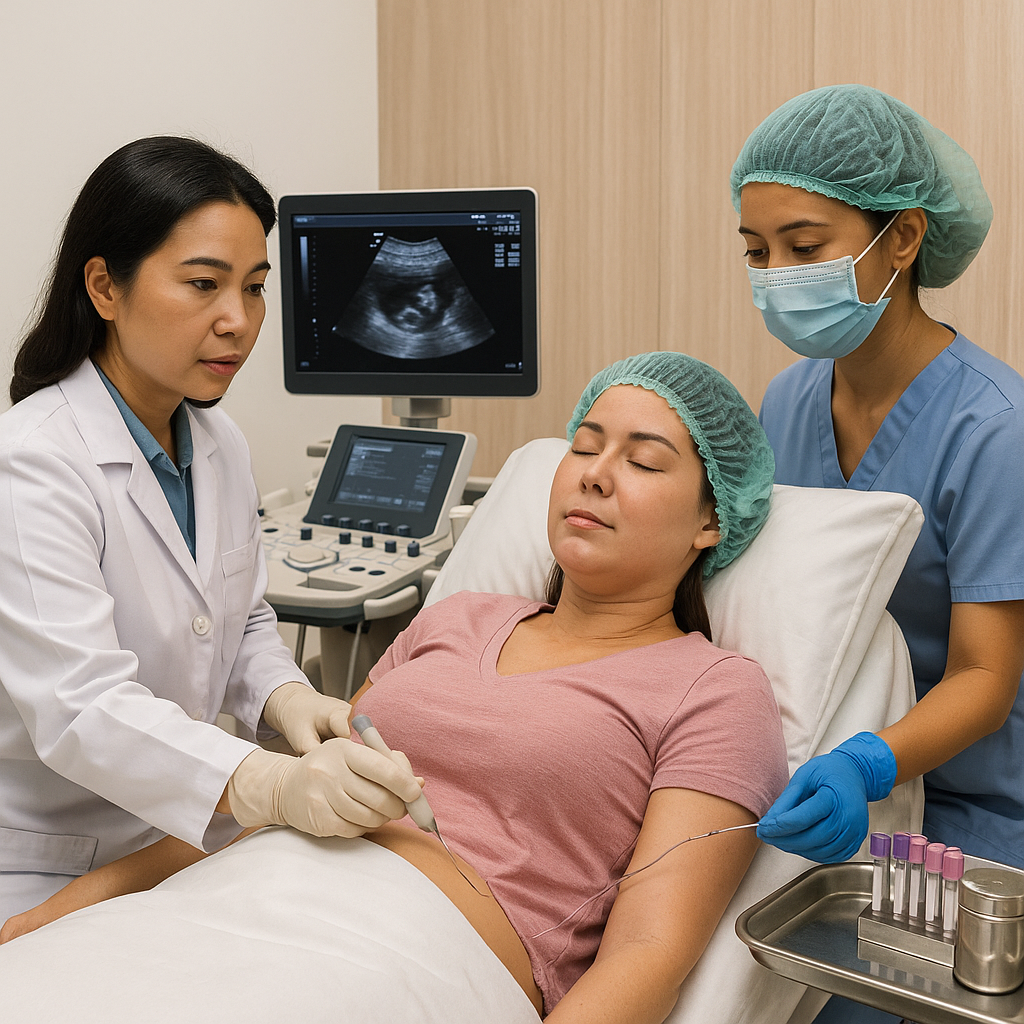
3. Egg Retrieval (Ovum Pick-Up)
- Performed under mild anesthesia
- Eggs are collected from the ovaries using ultrasound-guided aspiration
Â
4. Sperm Collection
- Sperm is collected from the partner or donor
- In cases of severe male infertility, sperm may be extracted surgically (TESA/PESA)
Â
Â
5. Fertilization in Lab
- Eggs and sperm are combined in a lab dish (conventional IVF) or using ICSI (Intracytoplasmic Sperm Injection)
- Embryos are cultured for 3-5 days
Â
6. Embryo Transfer
- Healthy embryos are transferred into the uterus
- A simple, painless procedure done without anesthesia
Â
7. Luteal Support
- Hormones are given to support the uterine lining
- A pregnancy test is done after 10-14 days
Â
PROMOTING FEMALE HEALTH AT EVERY STAGE
Risks and Considerations
- Multiple pregnancies (twins/triplets)
- Ovarian Hyperstimulation Syndrome (OHSS)
- Emotional stress
- Miscarriage
- Financial cost
IVF for Single Women & LGBTQ+ Couples
IVF allows:
- Single women to conceive with donor sperm
- Same-sex female couples to use one partner’s egg and donor sperm
- Male couples to use donor eggs and a surrogate
Emotional and Psychological Support
IVF can be emotionally challenging. We offer:
- Counseling services
- Support groups
- Wellness and mental health programs
- Types of IVF Treatments
Conventional IVF
Hormonal medications are administered to stimulate the ovaries to produce multiple eggs.
ICSI (Intracytoplasmic Sperm Injection
Eggs are collected from the ovaries using a minor surgical procedure.
Donor Egg IVF
Eggs are fertilized with sperm in the lab, either by conventional insemination or intracytoplasmic sperm injection (ICSI).
Donor Sperm IVF
Fertilized eggs (embryos) are cultured for a few days.
Surrogacy
One or more healthy embryos are transferred to the uterus.
Frozen Embryo Transfer (FET)
A blood test is conducted about two weeks after the embryo transfer to check for pregnancy.
Preimplantation Genetic Testing (PGT-A/PGT-M)
A blood test is conducted about two weeks after the embryo transfer to check for pregnancy.
- Success Rates
Vary based on: Woman’s age Cause of infertility Egg/sperm quality. Number and quality of embryos.
- Women under 35: 40-50%
- Women aged 35-40: 30-40%
- Women over 40: 10-20%
- Cost of IVF in India
The cost varies depending on:
Type of treatment (basic IVF, ICSI, donor cycles) Medication protocols Freezing and storage of embryos Genetic testing.
- Support and Resources
- Counseling: Many clinics offer psychological support to help patients cope with the emotional aspects of IVF.
- Support Groups: Online and offline support groups provide a platform for sharing experiences and advice.
- Financial Assistance: Some clinics and NGOs offer financial aid or installment plans to make IVF more accessible.
- Conclusion
Frequently Asked Questions
IVF (In Vitro Fertilization) is a treatment where eggs and sperm are collected, fertilized in a lab, and the embryo is placed back into the uterus to help achieve pregnancy.
Doctors advise IVF for conditions like:
Blocked / damaged fallopian tubes
Low sperm count or motility
PCOS
Endometriosis
Unexplained infertility
Repeated pregnancy loss
When other fertility treatments have not worked
Yes, IVF is generally safe. Most women tolerate the treatment well. Complications like Ovarian Hyperstimulation Syndrome (OHSS) are rare and monitored closely.
One complete cycle usually takes 4–6 weeks, including stimulation, egg collection, fertilization, and embryo transfer.
Injections may cause mild discomfort, similar to routine vaccination. Most women tolerate them easily.
Disclaimer: Results and patient experiences may vary. These are dependent on a number of factors including age, medical history, lifestyle and more.